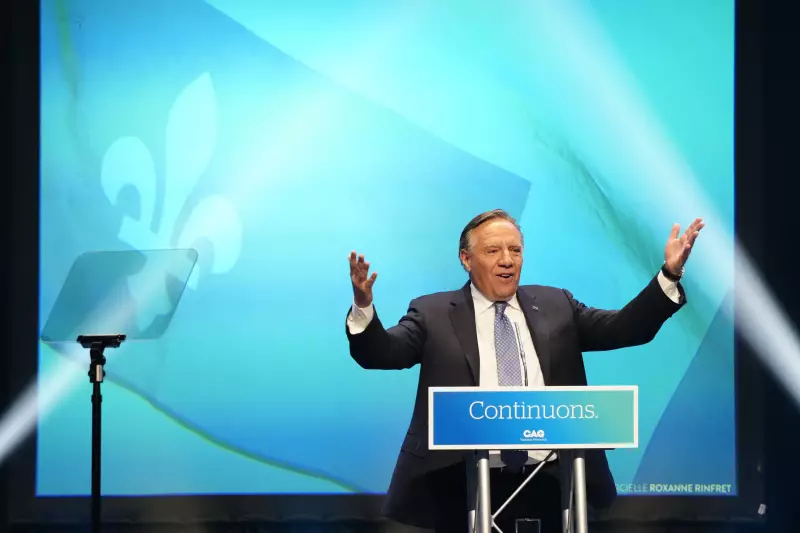
In a significant political shift, François Legault has stepped down from his role as Premier of Quebec. The announcement, made on January 15, 2026, comes amid a period of unfavourable public opinion polls and ongoing controversy, marking a pivotal moment for the province's governing party, the Coalition Avenir Québec (CAQ).
A Sudden Exit and a Political Vacuum
The resignation of François Legault creates an immediate leadership void at the helm of Quebec's government. Legault, who led the CAQ to a decisive victory in the October 2022 provincial election, served as premier for over three years. His departure was confirmed in a statement released on Wednesday morning, though specific details surrounding the final decision were not fully disclosed. The move has sent shockwaves through Quebec's political landscape, triggering urgent discussions about the party's direction and stability.
Who Will Lead the Coalition Avenir Québec Next?
With Legault's exit, the focus now turns to his potential successor. The CAQ must quickly organize a leadership race to select a new party head, who would then be poised to become the next premier of Quebec. While no official candidates have declared their intention to run at this early stage, political analysts are speculating about several high-profile cabinet ministers and senior party figures.

The new leader will inherit a party facing significant challenges, including rebuilding public trust and addressing the issues that contributed to Legault's declining popularity. The successor must also prepare the CAQ for the next provincial election, navigating a political environment that has become increasingly competitive.
Implications for Quebec and Canadian Politics
Legault's resignation is more than a simple change in personnel; it represents a potential turning point for Quebec. His tenure was marked by a strong nationalist stance and policies focused on Quebec's autonomy. The direction his successor chooses—whether to continue on this path or pivot towards a different platform—will have profound implications for Quebec's relationship with the federal government and its place within Canada.
The coming weeks will be critical as the CAQ caucus meets to appoint an interim leader and establish the rules for a leadership contest. The party's ability to manage this transition smoothly will be a major test of its cohesion and long-term viability. All eyes are now on Quebec City as the process to replace one of the province's most prominent political figures begins in earnest.