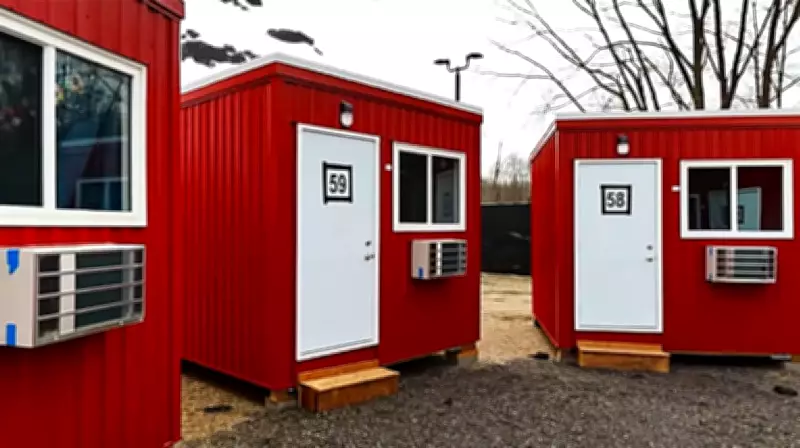
London's Micro-Modular Shelters Making Strides in Homelessness Reduction
A recent progress report has highlighted the significant impact of micro-modular shelters in London, Ontario, in addressing the city's homelessness crisis. These compact, temporary housing units are proving effective in reducing the number of homeless encampments and the overall unsheltered population, offering a promising model for other urban areas grappling with similar challenges.
Progress Report Findings
The report, based on data collected up to early 2026, indicates a notable decline in visible homeless encampments across London since the implementation of the micro-modular shelter program. Officials attribute this success to the shelters' ability to provide safe, dignified, and immediate housing options for individuals experiencing homelessness. The shelters are designed to be quickly deployable and cost-effective, making them a scalable solution for cities facing housing shortages and budget constraints.
Key metrics from the report show:

- A reduction in unsheltered homelessness by approximately 25% over the past year.
- Decreased reliance on emergency shelters, with many residents transitioning to more permanent housing.
- Improved health and social outcomes for shelter occupants, including better access to support services.
Community and Policy Implications
The success of London's micro-modular shelters has sparked discussions among policymakers and community leaders about expanding similar initiatives. This approach not only addresses immediate housing needs but also fosters long-term stability, as many residents use the shelters as a stepping stone to secure employment and permanent accommodation. Critics, however, caution that while effective, these shelters should complement, not replace, investments in affordable housing and social programs.
Looking ahead, city officials plan to:
- Increase the number of micro-modular shelters in high-need areas.
- Enhance partnerships with local nonprofits for wraparound services.
- Monitor long-term outcomes to ensure sustainability and effectiveness.
As urban centers worldwide confront rising homelessness, London's experience with micro-modular shelters offers valuable insights into innovative, humane solutions for housing crises.