The Government of Manitoba has officially declared it will not participate in or administer the federal firearms buyback program, setting the stage for a jurisdictional clash over gun control policy in Canada.
Provincial Government Draws a Line on Jurisdiction
In a move that underscores the growing tension between provincial and federal authorities, Manitoba has refused to take on the operational role for the buyback initiative targeting legally prohibited firearms. The province's position, announced on January 16, 2026, is framed as a matter of principle concerning the division of powers. Provincial officials argue that law enforcement and the administration of justice are primarily areas of provincial responsibility, and they view the federal program as an overreach that imposes significant logistical and financial burdens on local resources without adequate consultation or support.
The decision signals a significant hurdle for the federal government's plan, which relies on provincial cooperation for effective implementation. Manitoba's stance is not merely administrative but a pointed political statement about the limits of federal power in areas traditionally managed by the provinces.

Implications for Firearms Policy and Owners
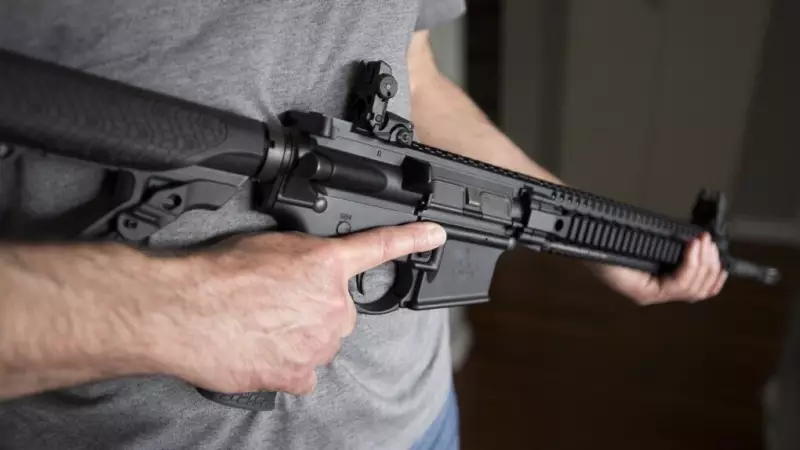
This refusal directly impacts the process for firearms owners in Manitoba who possess weapons now classified under the federal prohibition. The buyback program is a cornerstone of the federal government's strategy to reduce the number of certain firearms, like the AR-15, in Canadian communities. Without provincial machinery to manage the collection, compensation, and destruction of these firearms, the program's rollout in Manitoba becomes uncertain and potentially ineffective.
Legal gun owners in the province are now caught in a policy limbo. They may still be subject to federal laws prohibiting possession but lack a clear, state-administered mechanism to comply through a compensated surrender. This situation raises questions about enforcement and could lead to legal challenges, as individuals may argue they are being penalized without a reasonable avenue to adhere to the new regulations.
A Broader Political Standoff
Manitoba's decision is likely to resonate beyond its borders, potentially encouraging other provinces with similar concerns about federal-provincial dynamics to reconsider their level of cooperation. The move highlights a recurring theme in Canadian politics: the delicate balance between national policy objectives and provincial autonomy.
The federal government now faces the challenge of either finding an alternative method to execute the buyback in Manitoba—such as using a federal agency or third-party contractors—or entering into negotiations to address the province's concerns. The standoff also refocuses public debate on the efficacy and cost of the buyback program itself, with critics likely to seize on Manitoba's resistance as evidence of a poorly conceived plan.
As of now, the path forward remains unclear. The federal government has yet to issue a formal response to Manitoba's announcement. What is certain is that the implementation of this major firearms policy has become more complex, proving that in Canadian federation, even the most well-intentioned national programs can falter without provincial partnership.