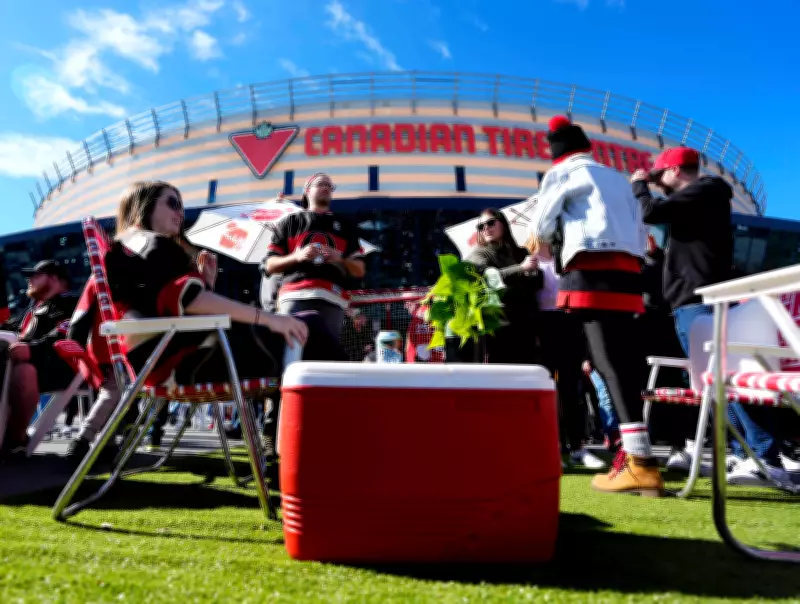
Ontario is moving forward with plans to simplify the process for municipalities to permit attendees at certain public events to bring their own alcoholic beverages, a shift that could reshape social gatherings across the province. The proposed changes aim to reduce bureaucratic hurdles, making it easier for local governments to authorize BYOB (Bring Your Own Booze) at designated festivals, concerts, and community celebrations. However, the Ottawa Festivals Network has responded with cautious optimism, describing the idea as "a lovely one" but emphasizing that more detailed guidelines are essential to ensure smooth and safe execution.
Provincial Push for More Flexible Alcohol Policies
The initiative, part of broader efforts to modernize alcohol regulations in Ontario, seeks to balance public enjoyment with safety concerns. Under the new framework, municipalities would gain greater autonomy to issue BYOB permits for events that meet specific criteria, such as being held in controlled, ticketed venues or during limited hours. This could include everything from outdoor music festivals to cultural parades, provided organizers adhere to strict rules regarding alcohol consumption and security measures. The province argues that such flexibility will boost local economies by attracting more attendees and fostering a vibrant event scene.
Festival Organizers Call for Clarity and Support
While welcoming the potential for enhanced visitor experiences, the Ottawa Festivals Network has highlighted several unresolved issues. Key concerns include the need for clear definitions of which events qualify, liability insurance requirements, and training for staff to manage alcohol-related incidents. Network representatives stress that without comprehensive guidelines, the rollout could lead to confusion among organizers and risks to public safety. They are urging the province to engage in further consultations with stakeholders to develop a robust framework that addresses these practical challenges.

This development comes amid a national conversation about alcohol policies, with other provinces also exploring similar reforms. In Ontario, the move aligns with recent trends toward deregulation in the beverage industry, such as expanded sales hours and increased availability in retail settings. Advocates for the change point to successful BYOB models in other jurisdictions, where controlled environments have minimized problems while maximizing community engagement. Critics, however, warn of potential increases in public intoxication and related incidents if oversight is inadequate.
Implications for Municipalities and Event Planners
For municipalities, the proposed changes could mean a significant shift in how they manage public events. Local governments will need to establish clear permitting processes, possibly including fees and inspections, to ensure compliance with provincial standards. Event planners, meanwhile, may face new responsibilities in terms of security staffing, signage about alcohol rules, and coordination with local authorities. The Ottawa Festivals Network suggests that additional funding or resources might be necessary to help smaller organizations adapt to these requirements, ensuring that the benefits of BYOB are accessible to all communities.
As discussions continue, the focus remains on finding a balance that promotes social enjoyment without compromising safety. The province is expected to release more detailed proposals in the coming months, with input from groups like the Ottawa Festivals Network likely to shape the final regulations. In the meantime, event organizers are advised to stay informed and prepare for potential changes that could transform the landscape of public gatherings in Ontario.