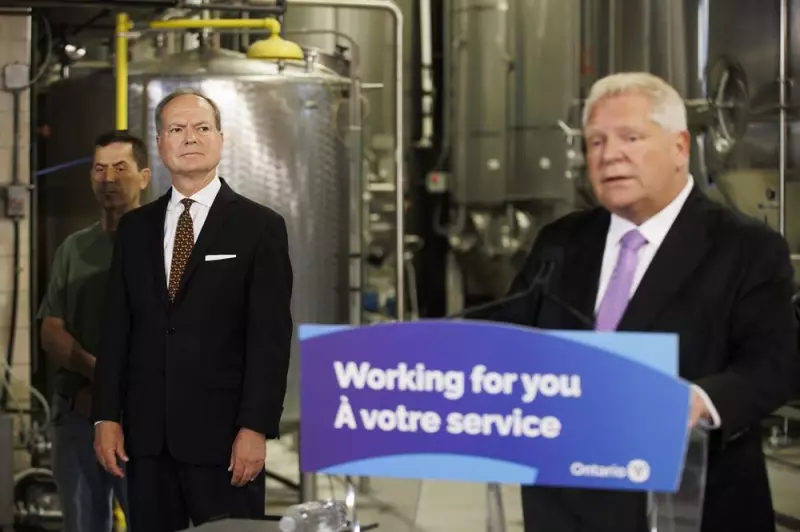
The government of Ontario Premier Doug Ford is embroiled in a transparency battle over a proposed increase in alcohol prices, with Finance Minister Peter Bethlenfalvy actively fighting the release of documents related to the plan. The proposed changes, which would raise wholesale mark-up rates on beer, wine, and spirits, have been met with fierce opposition from the hospitality and retail sectors.
Government Secrecy and Denials
At the heart of the controversy is a letter from Finance Minister Peter Bethlenfalvy to LCBO chair Carmine Nigro, sent in October 2025. The letter detailed precise new wholesale mark-up rates for various types of alcohol. Despite the letter's existence being reported by the Toronto Sun last November, Bethlenfalvy's office has refused a freedom of information request to release it publicly. The ministry claimed disclosure would be detrimental to the economic interests of Ontario.
This stance contradicts public statements from the minister. When the proposed price hikes were first reported, Bethlenfalvy went on Toronto's Newtalk 1010 radio to vehemently deny the plans. "It's misleading. It's dead wrong," he stated, adding, "Absolutely 100% wrong" when asked if there was ever a plan to increase prices. Notably, neither the minister nor his office requested a correction to the original reporting.

Potential Impact on Consumers and Businesses
Had the tax hike proceeded as initially planned for January 1, 2026, the financial impact would have been significant. According to the reported details:
- A 24-pack of beer at convenience stores would have increased by $4.52 before HST, leading to a total consumer price hike of approximately $5.11.
- Bars and restaurants would have faced a government-mandated increase of about 25 cents per pint for standard beer and 30 cents for craft beer—a staggering 70% increase in the mark-up for craft breweries.
- For a busy establishment, this could translate to an extra $250 per day in costs just on beer, potentially forcing price increases for customers or cuts to staff hours.
Premier Doug Ford has frequently boasted, "I've never raised taxes in seven years." However, critics argue that a government-mandated price increase where the state collects the revenue is functionally a tax, regardless of semantic labels like "mark-up" or "fee."
Industry Backlash and Delayed Implementation
The proposed changes sparked immediate and widespread anger from every sector of Ontario's alcohol and hospitality industry. Facing this unified opposition, the government delayed the implementation from January 1 to April 1, 2026, citing a need for further consultation.
The backlash raises a pointed question: Are the province's brewers, wineries, distillers, convenience store owners, and restaurateurs all mistaken about the impact of the proposed changes? Bethlenfalvy has attempted to convince industry stakeholders and Premier Ford that the changes won't affect final prices, a claim largely rejected by those who would be directly impacted.
The finance ministry has been accused of being less than forthcoming, employing tactics like taking extensions and charging large search fees in response to freedom of information requests in what appears to be an effort to keep the details secret. The core demand from critics remains simple: if the Ford government intends to move forward with increasing booze prices, it must do so openly and honestly, allowing for a proper public and industry debate on the consequences for Ontario's economy.