Parti Québécois Leader Outlines Conditional Stance on Pipeline Development
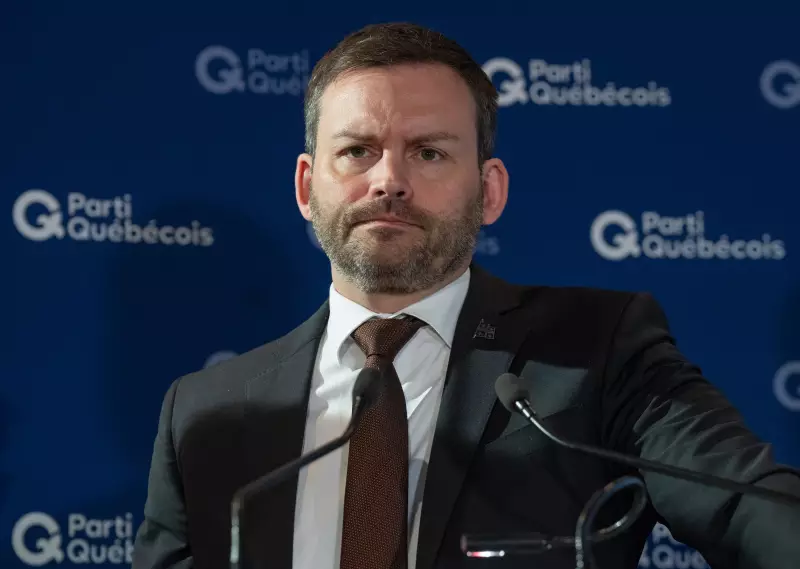
In a significant development for Quebec's energy landscape, Parti Québécois Leader Paul St-Pierre Plamondon has indicated that a potential PQ government would not automatically oppose new oil or gas pipeline projects. This nuanced position emerged during discussions at the party's convention in Saint-Hyacinthe, Quebec, suggesting a more pragmatic approach to energy infrastructure than previously anticipated.
Strategic Flexibility on Energy Infrastructure
The PQ leader clarified that his party's position on pipelines would depend on specific conditions being met. Environmental safeguards, economic benefits for Quebec, and alignment with broader energy transition goals would form the critical framework for evaluating any proposed projects. This represents a departure from more categorical opposition stances often associated with Quebec's political discourse on fossil fuel infrastructure.
"Our approach must balance environmental responsibility with economic reality," Plamondon stated during the convention proceedings. "Blanket opposition serves neither our climate objectives nor Quebecers' interests when projects could potentially meet rigorous standards."

Context and Political Implications
This policy clarification comes at a time when energy security and economic development remain pressing concerns across Canada. The PQ's conditional openness to pipelines could reshape political debates in Quebec, particularly regarding:
- Interprovincial energy cooperation
- Transition strategies toward renewable energy
- Balancing environmental protection with resource development
- Quebec's role in national energy discussions
Political analysts note that this position allows the PQ to maintain its environmental credentials while acknowledging the practical realities of energy needs during transition periods. The party's emphasis on strict conditions and Quebec-first benefits provides political cover for what might otherwise be a controversial stance among its base.
Broader Energy Policy Framework
Plamondon's comments should be understood within the PQ's broader energy platform, which continues to emphasize:
- Accelerated investment in renewable energy sources
- Enhanced energy efficiency programs
- Support for green technology innovation
- Protection of Quebec's environmental heritage
The conditional pipeline stance appears designed to complement rather than contradict these priorities, positioning pipelines as potential transitional infrastructure rather than long-term solutions.
As Quebec prepares for future electoral contests, this nuanced position on energy infrastructure may become a distinguishing feature of the PQ's platform, offering voters a middle path between unconditional opposition and unrestricted development of fossil fuel projects.