Parti Québécois Vows to Cut Gas Prices as Costs Soar in Quebec
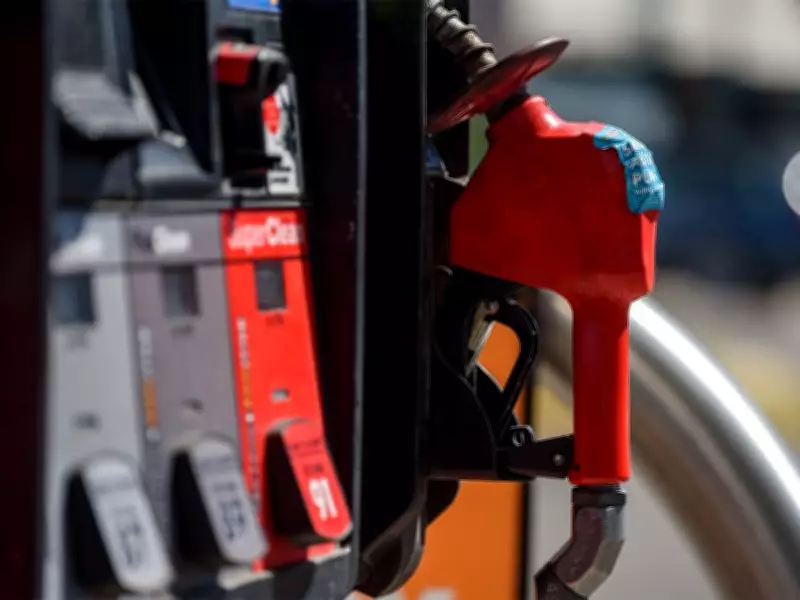
In response to a sharp increase in gasoline prices across Quebec, the Parti Québécois has pledged to take immediate action to reduce costs for drivers if elected. The price surge, which has seen pump rates rise by 10 to 20 cents per litre, is directly linked to recent attacks on Iran and the subsequent blockade of the Strait of Hormuz by the United States and Israel that began on February 28, 2026.
Political Pressure Mounts Over Fuel Costs
PQ energy critic Pascal Paradis emphasized the urgency of the situation in a social media post on Tuesday, stating that his party has been advocating for over a year to address what he calls the "unfair difference in gas prices between Quebec and neighboring provinces." Paradis criticized the ruling Coalition Avenir Québec for failing to act, declaring that the status quo is unacceptable for Quebecers who are feeling the financial strain.
Paradis outlined potential measures to alleviate the burden, including eliminating the provincial sales tax on gasoline and reviewing Quebec's carbon tax on fuel. "We reiterate the urgency of giving some breathing room to citizens and businesses in Quebec," he stated, highlighting the need for fiscal tools to bridge the price gap.

Competing Proposals from CAQ Leadership
The PQ's announcement comes as CAQ leadership candidates propose their own solutions to ease the pain at the pump. Bernard Drainville suggested refunding increased provincial tax revenues through cheques or tax credits, while Christine Fréchette has focused on reducing drivers' registration renewal fees. Fréchette noted, "The current situation with the conflict in Iran and the rise in gasoline prices concerns me greatly. We must act to protect the wallets of Quebec motorists."
These proposals reflect growing political competition to address the economic impact of the Iran conflict, which has disrupted global oil supplies and driven prices upward. The International Energy Agency is reportedly considering releasing up to 400 million barrels of oil from strategic reserves this month to stabilize energy markets.
Broader Implications for Quebec Economy
The spike in gasoline prices is not just a concern for individual drivers but also has ripple effects across the Quebec economy. Higher transportation costs can lead to increased prices for goods and services, affecting businesses and consumers alike. The political debate over gas prices underscores broader issues of energy policy, taxation, and economic relief in the province.
As Quebecers grapple with these rising costs, the Parti Québécois positions itself as a champion for affordability, promising swift intervention to mitigate the financial impact. The coming weeks will likely see continued discussion and proposals as political parties vie to offer tangible solutions to this pressing issue.