Quebec Liberals Show Signs of Revival Under New Leadership
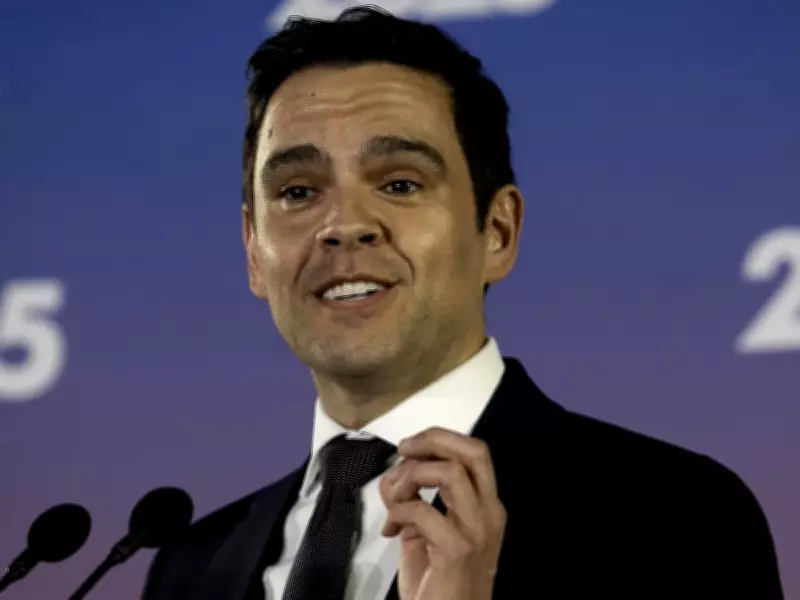
Just a few months ago, the Quebec Liberal Party appeared to be in a state of disarray, with internal crises and leadership scandals casting a shadow over its future. However, recent developments suggest a potential turnaround under the guidance of newly acclaimed leader Charles Milliard.
From Crisis to Contention: A Dramatic Shift in Polling
Earlier this year, the Liberals were floundering in public opinion surveys, grappling with the fallout from parliamentary leader Marwah Rizqy's dismissal of her chief of staff without informing party leader Pablo Rodriguez. This incident, coupled with allegations surrounding Rodriguez's leadership campaign and his eventual resignation, severely tarnished the party's reputation.
Fast forward to recent weeks, and a new poll reveals the Liberals running neck and neck with the Parti Québécois, which had dominated polling for over two years. This remarkable shift indicates growing momentum for Milliard's party as election season approaches.

The Francophone Challenge and Growth Potential
Despite this encouraging development, significant obstacles remain. The Liberals trail the PQ by approximately 20 percentage points among francophone voters, a demographic that typically determines seat majorities in Quebec elections. This gap represents a critical hurdle that must be addressed for electoral success.
Nevertheless, political analysts suggest the Liberals possess substantial growth potential. Several factors contribute to this optimistic outlook, including changing geopolitical circumstances that make voters less inclined to support separatist movements that could create additional political upheaval.
Milliard's Emerging Leadership and Strategic Moves
Charles Milliard, still relatively unknown to many Quebecers, has demonstrated political acumen in his early tenure. His recent appearance on the popular television program Tout le monde en parle showcased a leader who is telegenic, quick-witted, and capable of handling challenging questions with substantive responses.
Milliard has made several strategic decisions that reflect sound political judgment. His handling of the Marwah Rizqy situation—choosing not to reintegrate her into the caucus despite her impending departure from politics—was widely viewed as prudent, avoiding potential distractions from the party's renewed focus.
Referendum Strategy and Policy Priorities
The Liberal leader has adopted an assertive approach toward referendum discussions, deliberately baiting PQ Leader Paul St-Pierre Plamondon on the timing of sovereignty pledges. Milliard's declaration that he would "drive the bus for the No side" in any referendum has generated both controversy and strategic advantage, particularly given that 71 percent of Quebecers currently oppose sovereignty.
This referendum positioning serves multiple purposes: it highlights the PQ's potentially unpopular platform while pressuring other party leaders to clarify their positions on the issue. Simultaneously, Milliard has focused attention on substantive policy matters including economic initiatives, telemedicine platforms, education reform, and housing construction—issues that resonate more strongly with voters than language and identity concerns, according to recent polling.
The Momentum Factor and Electoral Timing
Much like in competitive sports, political momentum can prove decisive. The Quebec Liberals appear to be gaining traction at a potentially opportune moment, with Milliard's visibility increasing and the party's messaging resonating with shifting voter priorities.
However, the path to electoral success remains challenging. The party must continue to build support among francophone voters while maintaining the cohesion and discipline that eluded it during previous internal crises. As election day approaches, all eyes will be on whether Milliard's leadership can sustain this momentum and translate it into tangible electoral gains.