Saskatchewan MLAs Return to Legislative Duties After Three-Month Break
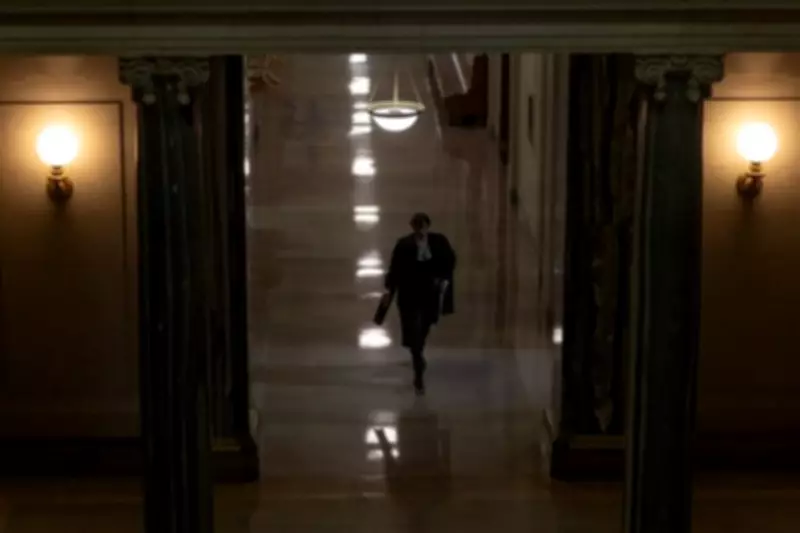
Members of the Legislative Assembly from across Saskatchewan have reconvened at the Saskatchewan Legislative Building in Regina, marking the beginning of the spring session. This 10-week legislative period commenced on March 2, 2026, with officials reporting for duty despite Premier Scott Moe being overseas on a trade mission to India.
The session's opening days have already highlighted several pressing matters that will shape parliamentary discussions in the coming weeks. From fiscal planning to social policy reforms, legislators are facing a diverse agenda that reflects both provincial priorities and broader economic challenges.
1. The 2026-27 Provincial Budget: Balancing Fiscal Responsibility
The Saskatchewan Party government is scheduled to present its 2026-27 budget on March 18, with significant attention focused on how the province will manage financial planning amid international trade uncertainties and tariff concerns. During initial debates, MLAs examined the forthcoming budget document and its implications for provincial finances.

Deputy Premier and Finance Minister Jim Reiter addressed reporters after question period, stating, "I don't think you'll see a balanced budget in the country this year." He emphasized that Saskatchewan maintains a relatively strong position compared to other provinces, citing favorable credit ratings and debt-to-GDP ratios as indicators of fiscal stability.
Opposition NDP Leader Carla Beck raised concerns about transparency, noting the government had yet to release a third-quarter report that would provide updated insights into spending patterns ahead of budget day.
2. Addiction Intervention: The Compassionate Intervention Act Advances
Legislators have resumed deliberations on government Bill 1, known as the Compassionate Intervention Act, which would permit involuntary placement of individuals with substance use disorders into recovery programs. The bill received royal recommendation from Lieutenant-Governor Bernadette McIntyre on March 2, approving the use of public revenue if the legislation becomes law.
Mental Health and Addictions Minister Lori Carr announced that the government plans to implement the initiative's first phase in the North Battleford region before expanding it province-wide. The bill now awaits its second reading in the legislature, moving closer to potential enactment.
3. Affordability and Social Equity Motions
The NDP Opposition introduced two urgent motions addressing affordability concerns, though both failed to pass. On Monday, NDP deputy house leader Kim Breckner proposed a motion urging the government to address child poverty issues. The following day, NDP health critic Meara Conway pushed for a freeze on Saskatchewan Health Authority executive salaries until new contracts are finalized for front-line healthcare workers.
Multiple unions representing healthcare professionals are currently negotiating new agreements, with talks scheduled to resume later this month. These discussions occur against a backdrop of ongoing concerns about living costs and wage equity across the province.
4. Healthcare Labor Relations and Executive Compensation
The motion regarding health authority executive compensation highlights tensions between administrative salaries and front-line worker contracts. As unions prepare to resume negotiations, the government faces pressure to address compensation disparities while maintaining healthcare system stability.
5. International Trade Context and Provincial Economics
Premier Moe's trade mission to India underscores the international dimensions affecting provincial policy. The government has indicated that the trip aims to address tariff concerns rather than finalize trade agreements, reflecting how global economic factors influence domestic budget planning and resource allocation.
As the spring session progresses, these five areas will likely dominate legislative debates, with MLAs balancing fiscal constraints, social policy innovations, and responding to constituent concerns about affordability and public services.