A recent Angus Reid poll has uncovered a striking sentiment among Albertans: a majority of those who oppose separation from Canada would leave the province if a referendum on independence succeeds. This finding directly counters assertions that fears of mass departure are mere hysteria, as highlighted by columnist Rick Bell.
Economic and Political Concerns Drive Opposition
The prospect of an independent Alberta is widely viewed as a recipe for economic disaster, with many residents expressing deep concerns over the potential fallout. One letter writer from Calgary, Brad Tomlinson, stated unequivocally, "I will certainly leave the province if there is a credible prospect of separation." He pointed to Premier Danielle Smith's push for an Alberta pension plan as a key trigger, citing past financial mismanagement by the United Conservative Party (UCP), including a $1.3 billion loss at AIMCo and retroactive legislation to avoid responsibility.
Tomlinson warned that such a pension plan could fund risky oil and gas investments, with Smith likely to shrug off failures. The alternative of Alberta becoming the 51st U.S. state is seen as even worse, given widespread Canadian aversion to joining the United States voluntarily.

Debate Over Police Priorities and Training
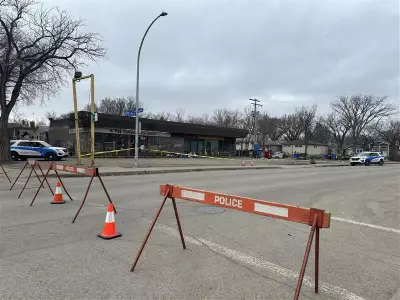
Another letter from Nancy Marley-Clarke in Calgary criticized Police Chief Katie McLellan for prioritizing homeless safety over law enforcement, suggesting this reflects a worrying shift toward "wokery" in the force. Marley-Clarke argued that enforcing the law should be the primary duty of police, with other organizations handling homelessness support.
In contrast, Ron Lajeunesse from Westerose highlighted the importance of police training, comparing the 77-minute response to the Uvalde school shooting in Texas with the two-minute entry by RCMP officers in Tumbler Ridge, B.C. He noted that while both incidents resulted in tragic deaths, the difference in response times underscores how training can impact outcomes in critical situations.
Climate Change and Industry Responsibility
A letter from Susan Andre in Calgary challenged claims that oil companies should pay for damage caused by their products, arguing that natural disasters like wildfires and hurricanes predate the industry. Andre cited historical fires in Rome and London as examples, emphasizing that increased media coverage and population growth, rather than solely industrial activity, contribute to perceived rises in extreme events.
This perspective counters arguments from critics like Leon Everly, who blame the oil and gas sector for record-breaking hurricanes and other climate-related damages. The debate reflects broader tensions over environmental policy and economic interests in Alberta.
Implications for Alberta's Future
The poll results and letters collectively paint a picture of a province deeply divided over separation, with economic stability, governance, and social values at the forefront. As discussions continue, the potential for significant population shifts remains a real concern, challenging simplistic dismissals of separation fears as exaggerated or irrational.