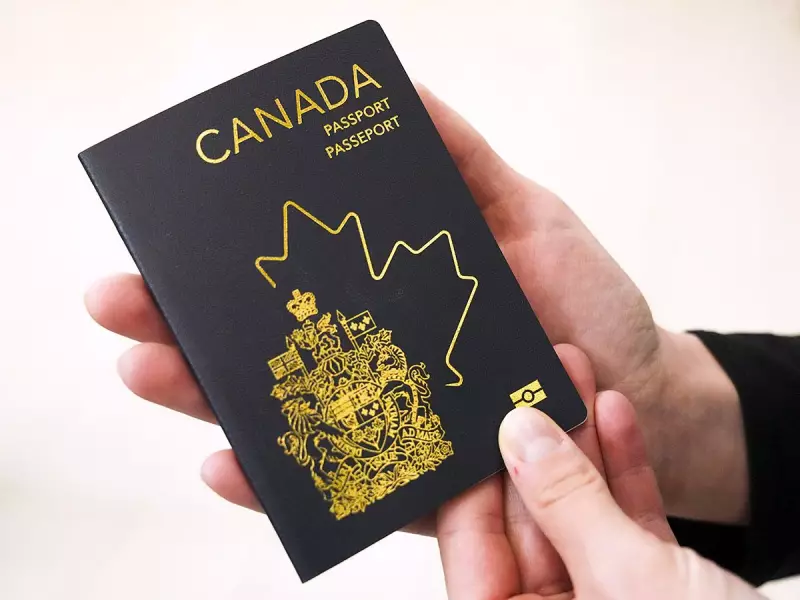
Canadians Hold Complex Views on Dual Citizenship and National Allegiance
A recent national survey has revealed intriguing divisions among Canadians regarding the concept of holding citizenship in multiple countries. The comprehensive poll, conducted by Leger for the Association for Canadian Studies and provided to Postmedia, indicates that while many Canadians express interest in acquiring a second passport, significant questions persist about how dual citizenship affects loyalty to Canada.
Survey Reveals Contradictory Attitudes
The research found that more than a third of Canadians would personally like to obtain citizenship in another country alongside their Canadian nationality. This represents a substantial portion of the population demonstrating openness to maintaining formal ties with multiple nations.
However, the survey uncovered a striking contradiction: approximately the same proportion of respondents believe that individuals who hold dual citizenship demonstrate less loyalty to Canada compared to those with single citizenship. This finding suggests that while many Canadians see personal benefits in multiple citizenships, they simultaneously harbor concerns about divided national allegiance.

Demographic Variations in Perspectives
The poll results indicate that interest in dual citizenship varies significantly across different demographic groups. Younger Canadians show markedly greater enthusiasm for holding multiple citizenships compared to older generations, reflecting shifting attitudes toward national identity in an increasingly globalized world.
Geographic location within Canada also plays a substantial role in shaping perspectives on this issue. Residents of different provinces and urban versus rural areas demonstrate distinct patterns in their views toward dual citizenship and its implications for national loyalty.
Broader Implications for Canadian Identity
These findings emerge at a time when Canada continues to welcome significant numbers of immigrants and maintains one of the highest rates of naturalization in the world. The survey results highlight the complex relationship between formal citizenship status and perceived national allegiance in a country built on immigration.
The data suggests that Canadians are grappling with how to reconcile the practical benefits of dual citizenship—including increased travel freedom, business opportunities, and family connections—with traditional notions of singular national loyalty. This tension reflects broader conversations about what it means to be Canadian in the 21st century.
As Canada's population becomes increasingly diverse and globally connected, these attitudes toward multiple citizenships may continue to evolve. The survey provides valuable insights into how Canadians are navigating questions of identity, belonging, and allegiance in an interconnected world.