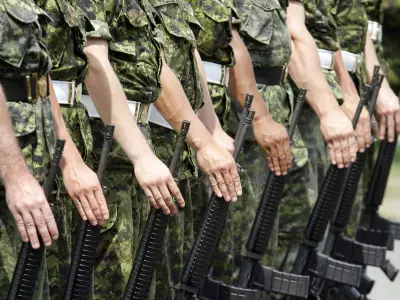
A recent survey has uncovered a striking level of apprehension among Canadians regarding their southern neighbour, with nearly one-third expressing a belief that the United States might one day attempt to invade Canada.
Survey Reveals Deep-Seated Anxieties
The poll, conducted and reported by The Canadian Press, indicates that this concern is held by a significant minority of the population. While the idea of a military conflict between the two long-standing allies and trading partners may seem far-fetched to many, the data suggests underlying geopolitical anxieties are present in the Canadian psyche. The findings were published on January 14, 2026.
Context of a Changing Geopolitical Landscape
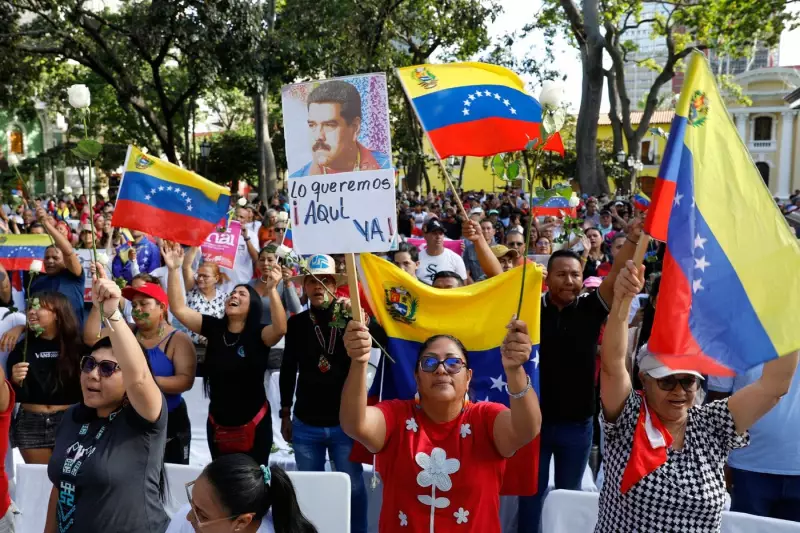
Although the poll itself does not delve into specific reasons for this fear, it was released amidst a global news cycle featuring heightened international tensions. The accompanying news report highlighted events such as the capture of former Venezuelan president Nicolas Maduro by U.S. forces, an incident that underscores the volatile nature of international power dynamics. Such events abroad may contribute to a broader sense of uncertainty, which could be reflected in how Canadians view their own relationship with the global superpower next door.

Implications for the Canada-U.S. Relationship
This poll provides a unique snapshot of Canadian public sentiment at a particular moment in time. The relationship between Canada and the United States is one of the world's closest, defined by extensive trade, shared cultural ties, and integrated security through organizations like NORAD. The revelation that a notable segment of the population entertains the possibility of invasion, however unlikely from a policy perspective, points to a layer of distrust or fear that exists beneath the surface of the bilateral partnership. It raises questions about how global instability and shifts in U.S. foreign policy are perceived by ordinary Canadians.
While government and military analysts consistently dismiss the notion of a U.S.-Canada conflict as implausible, public opinion is shaped by a wider array of factors, including media narratives and global events. This poll serves as a reminder that national perceptions are complex and can sometimes run counter to official diplomatic realities.