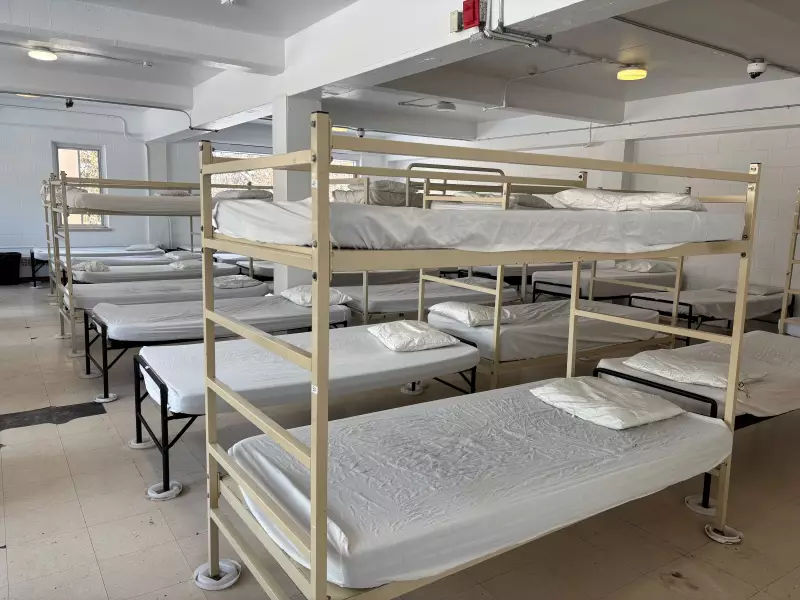
Montreal's Homelessness Crisis: Over 200 Shelter Beds Remain Empty Amid Rising Demand
In a troubling paradox that underscores the complexity of urban social challenges, Montreal is currently grappling with a situation where more than 200 shelter beds are sitting vacant even as the city's homelessness crisis continues to intensify. This revelation comes during a particularly harsh winter season, raising urgent questions about resource allocation, accessibility, and systemic barriers within the support network for vulnerable populations.
A Winter of Contrasts: Increased Services Yet Persistent Gaps
Homelessness advocates in Montreal have reported that the current winter has seen some improvements in available services, with more shelter spaces and warming stations being opened to protect individuals from the extreme cold. These measures represent a critical lifeline, potentially preventing cold-related injuries and fatalities among those living without stable housing. However, this expansion of physical resources has not translated into full utilization, creating a puzzling disconnect between supply and demand.
Advocates emphasize that while the additional spaces are a positive development, the underlying demand for shelter and support services is still rising at an alarming rate. The visible presence of vacant beds alongside growing homelessness numbers suggests that barriers beyond mere availability are preventing people from accessing these vital resources. Factors such as location, admission policies, safety concerns, and the specific needs of different homeless subgroups may all be contributing to this utilization gap.

Understanding the Vacancy Paradox
The existence of over 200 empty beds in Montreal shelters points to several potential systemic issues that warrant immediate investigation and action:
- Accessibility Challenges: Shelters may be located in areas difficult for homeless individuals to reach, especially during winter weather conditions or without reliable transportation.
- Admission Restrictions: Some facilities might have eligibility criteria, curfews, or rules that exclude certain populations, such as those with substance use issues, mental health challenges, or pets.
- Safety and Privacy Concerns: Individuals may avoid congregate shelters due to fears of theft, violence, or lack of privacy, preferring to risk the elements instead.
- Inadequate Outreach: There may be insufficient communication and outreach efforts to inform homeless individuals about available beds and how to access them.
The Broader Context of Montreal's Housing Crisis
This shelter bed vacancy issue occurs against a backdrop of severe housing affordability challenges in Montreal. Recent analyses indicate that purchasing a home in the city now requires significantly higher earnings than in previous years, pushing homeownership further out of reach for many residents. The rental market has similarly tightened, with vacancy rates remaining low and prices continuing to climb. This housing squeeze inevitably contributes to homelessness, as more individuals and families find themselves priced out of stable accommodation.
The situation in Montreal reflects broader national trends, where cities across Canada are struggling to address homelessness with increasingly strained resources. The contrast between vacant shelter beds and visible homelessness on the streets highlights the need for more nuanced, person-centered approaches to service delivery that address the diverse needs and preferences of homeless populations.
Moving Forward: Recommendations for Action
To address this concerning discrepancy, experts suggest several strategic interventions:

- Enhanced Coordination: Improve communication and coordination between different shelter providers, outreach teams, and social services to ensure real-time bed availability information reaches those who need it most.
- Flexible Service Models: Develop more diverse shelter options, including low-barrier facilities, specialized spaces for different demographics, and harm reduction approaches that meet people where they are.
- Transportation Solutions: Implement shuttle services or transit vouchers to help individuals reach shelters located outside central urban areas.
- Comprehensive Housing Strategy: Address the root causes of homelessness through increased investment in affordable housing, rent supplements, and prevention programs that keep people housed before they reach crisis point.
As Montreal continues to confront its homelessness crisis, the paradox of empty shelter beds alongside rising demand serves as a stark reminder that simply providing more spaces is insufficient. A more holistic, accessible, and responsive approach is needed to ensure that every available resource reaches those most in need during these challenging winter months and beyond.