Young Syrian Refugee Shot During Civil War Denied Disability Support in New Brunswick
A young Syrian man who survived a gunshot wound as a child while fleeing his country's devastating civil war has been denied disability benefits in New Brunswick, raising questions about the accessibility of social support programs for refugees in Canada.
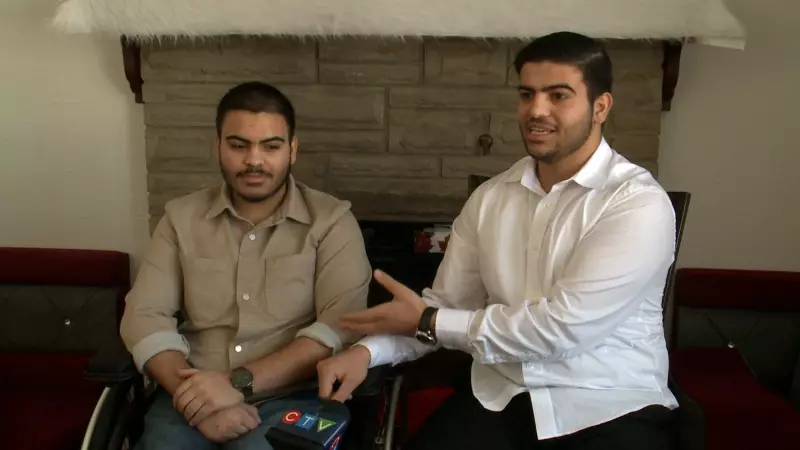
Ayman Othman, now living in Fredericton with his brother Mohammad, continues to face significant physical and psychological challenges from the traumatic incident that occurred during his family's desperate escape from Syria's conflict. Despite documented medical evidence of his injuries and their lasting impact, provincial authorities have determined he does not qualify for disability assistance under current guidelines.
Traumatic Journey from War Zone to Canadian Challenges
The denial comes after Othman's family sought refuge in Canada, hoping to find safety and support following years of violence and displacement. Medical professionals who have assessed Othman confirm he experiences ongoing pain, mobility limitations, and post-traumatic stress directly related to the shooting incident. These conditions substantially affect his daily functioning and ability to pursue education and employment opportunities.

"This case highlights the complex intersection between immigration status, trauma recovery, and social service accessibility," explained a local refugee advocate familiar with similar situations. "Many newcomers arrive with invisible wounds that Canadian systems struggle to recognize and accommodate adequately."
Systemic Barriers for Refugee Populations
Advocates point to several systemic issues that may contribute to such denials:
- Documentation challenges for medical conditions originating in conflict zones
- Cultural and linguistic barriers in navigating provincial benefit systems
- Different standards of medical evidence between countries
- Limited understanding of war-related trauma among assessment personnel
New Brunswick's disability support program requires applicants to demonstrate substantial and prolonged impairment that significantly restricts daily activities. While the program serves thousands of residents successfully, critics argue its assessment criteria may not adequately account for the unique circumstances of refugees fleeing armed conflicts.
Broader Implications for Refugee Integration
This case emerges as Canada continues to welcome refugees from global conflict zones, with Syrian refugees representing one of the largest recent groups. The denial raises important questions about how provincial systems evaluate disability claims from individuals whose injuries occurred in dramatically different medical and documentation contexts.
Community organizations supporting refugees note that without adequate disability support, individuals like Othman face additional barriers to integration, including limited access to rehabilitation services, educational accommodations, and employment pathways specifically designed for people with disabilities.
As advocacy groups consider potential appeals and policy discussions, Othman's situation underscores the ongoing need for trauma-informed approaches within Canada's social support frameworks, particularly for those who have survived violence and displacement before arriving in the country.