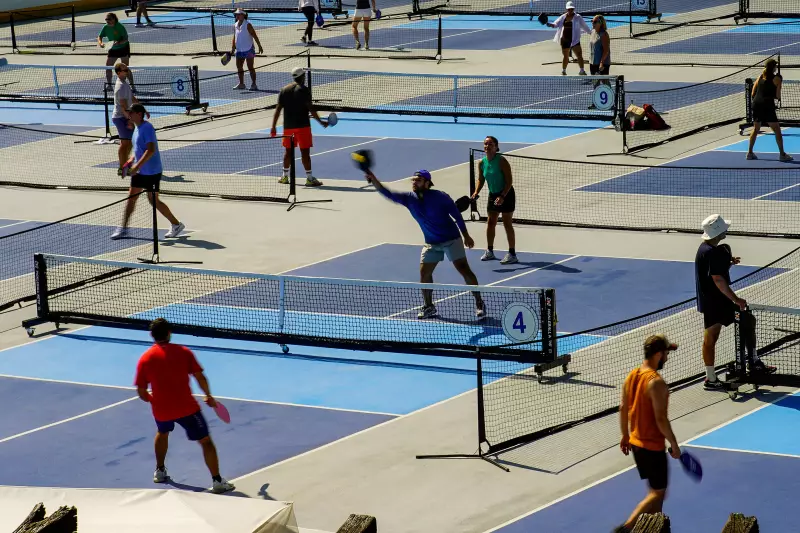
A brewing controversy in Vancouver's vibrant sports community, now nicknamed 'Paddle-gate,' is raising significant concerns about the integrity and safety of one of the city's fastest-growing pastimes. The issue centers on the alleged use of illegally modified or 'crushed' pickleball paddles by some players, a practice that could alter the game's dynamics and pose unforeseen risks.
What is 'Paddle Crushing' and Why is it Controversial?
The core of the dispute involves the physical alteration of pickleball paddles. While specific technical details are debated among enthusiasts, the term 'crushing' generally refers to methods used to deliberately soften or compress a paddle's polymer core. This modification is believed by some to enhance the 'dwell time'—how long the ball stays on the paddle face—potentially giving players more control and spin.
However, this practice directly contravenes the official rules set by governing bodies like Pickleball Canada. Equipment regulations strictly mandate that paddles must be used in their original, unaltered condition as approved by the manufacturer. Using a modified paddle is considered a form of equipment tampering, akin to using a corked bat in baseball or an illegal stick in hockey.

Potential Impacts on Fair Play and Safety
The implications of 'Paddle-gate' extend beyond a simple rule violation. Sports ethicists and seasoned players point to a fundamental breach of fair play. When some competitors use enhanced, non-compliant equipment, it creates an uneven playing field, undermining the spirit of honest competition that defines recreational and tournament play alike.
Perhaps more critically, there are emerging questions about player safety. Altering a paddle's structural integrity could lead to unpredictable performance. A compromised core might fail, sending pieces of the paddle flying at high speed. Furthermore, a change in the ball's rebound characteristics could increase the velocity of shots, potentially raising the risk of injury, especially in a sport played at close quarters.
Community Reaction and the Path Forward
The discussion, which gained public attention in January 2026, has sparked heated debate in Vancouver's parks, community centers, and private clubs where pickleball is played. Many players are calling for increased vigilance and education. Suggestions from the community include:
- Enhanced equipment checks at sanctioned tournaments and leagues.
- Clearer communication from clubs and facilities about the rules and the consequences of breaking them.
- Promoting a culture of integrity where players self-police and respect the standardized nature of the sport's equipment.
As pickleball continues its meteoric rise in popularity across Canada, incidents like Vancouver's 'Paddle-gate' serve as a crucial test for the sport's governance. Addressing this issue proactively will be key to preserving pickleball's reputation as an accessible, fair, and safe game for all participants. The coming months will likely see governing bodies, facility operators, and the player community working together to clarify rules and enforce standards, ensuring the sport's long-term health and enjoyment.