The 'Size S' Problem: Female Athletes Challenge Male-Focused Winter Sports Industry
Female winter sports athletes are raising urgent concerns about equipment and gear designed primarily for male bodies, creating significant safety and performance challenges in professional competitions. This systemic issue has come into sharp focus during major events like the 2026 Winter Olympics, where athletes must compete with gear that doesn't properly fit their physiques.
A Systemic Design Flaw
The winter sports industry has historically developed equipment with male athletes as the default standard, leaving female competitors to adapt to gear that doesn't accommodate their typically smaller frames, different weight distributions, and distinct biomechanics. This design bias extends across multiple disciplines including skiing, snowboarding, ice hockey, and curling, where properly fitted equipment is crucial for both optimal performance and injury prevention.
"We're constantly making adjustments to equipment that was never designed with our bodies in mind," explained one Olympic-level skier who requested anonymity. "From boots that don't fit properly to protective gear that leaves vulnerable areas exposed, we're competing at a disadvantage before we even hit the slopes or ice."

Safety Concerns and Performance Impacts
The consequences of ill-fitting equipment extend beyond mere inconvenience to genuine safety risks. Research indicates that female athletes using gear designed for male bodies face higher injury rates, particularly for knee injuries in skiing and concussions in ice sports. The performance implications are equally significant, as athletes cannot achieve their full potential when equipment doesn't respond correctly to their movements and force applications.
During the 2026 Winter Olympics in Cortina d'Ampezzo, Italy, these issues became particularly visible. Female competitors across multiple sports were observed making last-minute modifications to their gear, from adding extra padding to altering binding settings, all to compensate for equipment that wasn't designed with their physiology in mind.
The Path Toward Inclusive Design
Some manufacturers have begun responding to these concerns, developing female-specific lines of equipment that account for differences in hip-to-waist ratios, shoulder width, hand size, and center of gravity. However, these options remain limited and often come with premium price tags, creating accessibility barriers for athletes at all levels of competition.
"The solution requires fundamental changes in how equipment is researched, designed, and tested," noted a sports engineering expert. "We need to move beyond simply scaling down male designs and instead create equipment based on comprehensive biomechanical data from female athletes across diverse body types."
Advocates are calling for several key changes:
- Increased representation of female athletes in equipment research and development
- Mandatory fit testing protocols during equipment certification processes
- Greater investment in female-specific gear development across all price points
- Education for coaches and trainers about equipment fit and modification
A Growing Movement for Change
The conversation around equipment equity has gained momentum through social media campaigns, athlete advocacy groups, and increased media attention. Professional athletes are increasingly speaking out about their experiences, creating pressure on both equipment manufacturers and sports governing bodies to address these systemic issues.
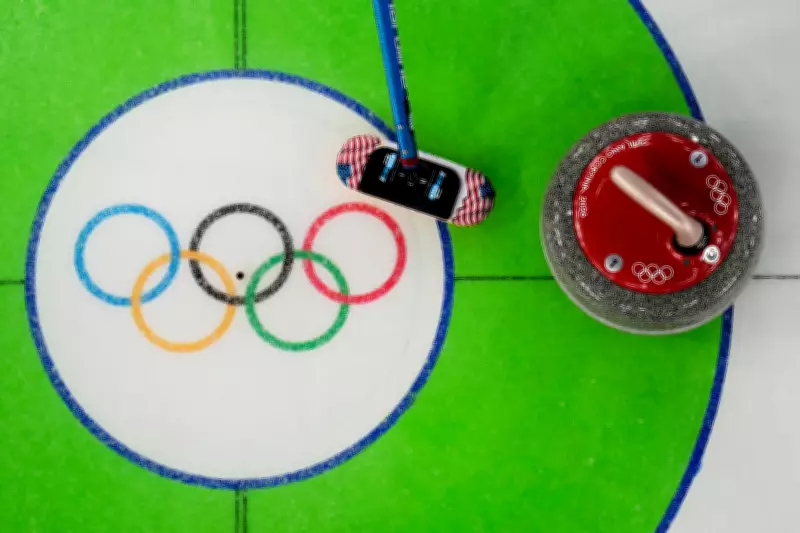
As one Olympic curling athlete noted during the 2026 Games, "When we're competing at the highest level, every detail matters. Having equipment that actually fits our bodies shouldn't be an advantage—it should be the baseline standard for everyone in our sport."
The movement toward more inclusive winter sports equipment represents not just a matter of fairness, but a crucial step toward ensuring athlete safety and maximizing competitive potential across all genders. As awareness grows, athletes and advocates hope to see meaningful changes that will benefit future generations of winter sports competitors.