Canada vs. U.S. Olympic Hockey Showdown: A National Obsession with Superhero Stakes
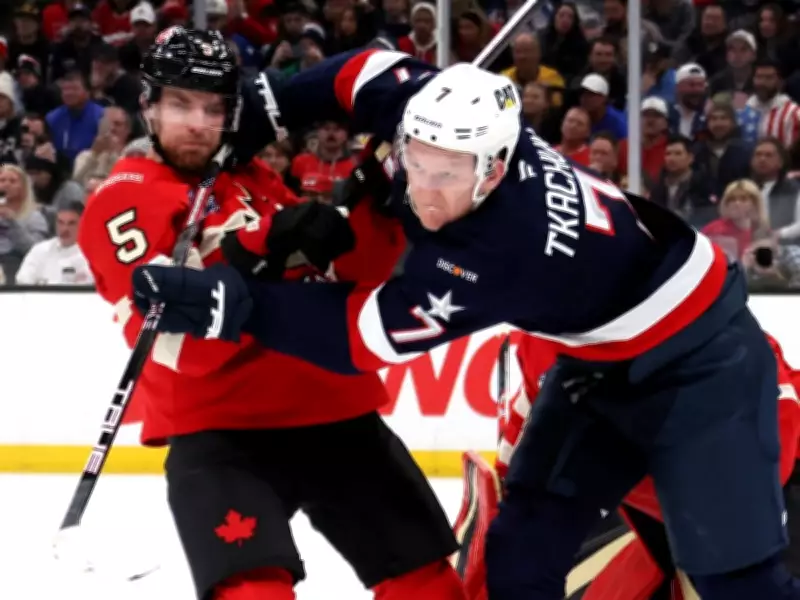
MILAN — As the Olympic men's hockey gold-medal game approaches this Sunday, pitting Canada against its archrival the United States, the question arises: Has any Olympic hockey final ever carried more weight for Canadians? This clash transcends mere athletic competition, evolving into a profound cultural moment where players are viewed as superheroes and an entire nation holds its breath.
A Nation United in Anticipation
Time seems to have paused across Canada this week during the Olympic hockey games. Schools are projecting the matches onto screens, while bars and restaurants are opening their doors exceptionally early, particularly on the West Coast where dawn viewings have become the norm. The collective focus is singular and intense.
Hockey players, like all individuals, possess their own private thoughts on global affairs, though they seldom voice them publicly. Yet they are acutely aware of the significance this game holds for the public, especially given the complex political dynamics between Canada and the United States over the past year.

Echoes of Past Confrontations
Last year's 4 Nations Face-Off already resonated deeply with Canadians. Occurring during the early phase of the current U.S. presidential administration, which had made disparaging remarks about Canada, the tournament touched a raw nerve. A year later, the Olympic stage amplifies those sentiments. While political rhetoric persists, Canadian resolve has solidified. This Sunday's game represents everything.
The audience now extends far beyond North American borders. International observers may not grasp hockey's intricacies, but they comprehend the broader symbolic struggle unfolding on the ice.
Players Embracing the Superhero Mantle
Canadians yearn for their athletes to embody superhero qualities. When Tom Wilson donned his Canada T-shirt after Saturday's practice, his powerful chest and broad shoulders filling the fabric, he needed only a cap to resemble a living incarnation of Johnny Canuck, the iconic national symbol.
"It's not that long ago that you were the kid in the classroom when they wheeled those old big TVs in. You put the antennas up so you can get the signal and watch Team Canada play," Wilson recalled to reporters, highlighting the generational connection.
He and his teammates are vividly conscious of the circulating images this week: classrooms full of children watching games, workplaces where time stands still. "I remember being there and seeing your local rink with watch parties cheering you on," Wilson added. "And that's why we're here. We're here for our country. We're here to try and make them proud."
A Responsibility Larger Than Themselves
"It's not about us," Wilson emphasized. "I think if you ask any single guy in that room, it's way bigger than us. All I can do, all we can do at this point, is just leave it all out there for our country."
Meanwhile, the American team speaks of capturing gold for the first time since the legendary "Miracle on Ice" in 1980. Canadians recognize the United States' remarkable progress in developing elite hockey talent, yet remain steadfast in their mission to defend national pride and hockey supremacy.
"You always feel that responsibility as a Canadian," Wilson stated. "We want to be the best. It's been our game for a long time. The guys that are pulling the jersey on, it's our responsibility to go out there and try and prove why we're the best and why we should be the best. And continue to be the best."
For coach Jon Cooper, the overwhelming patriotism and focused attention from Canadians of all ages, backgrounds, and origins provide a powerful motivational tool. This Olympic final is not merely a hockey game; it is a national event where players shoulder the hopes of a country, transforming sport into a symbol of identity and resilience.