Inside Canada's 2026 Olympic Housing: From Glamping to Milanograd in Cortina
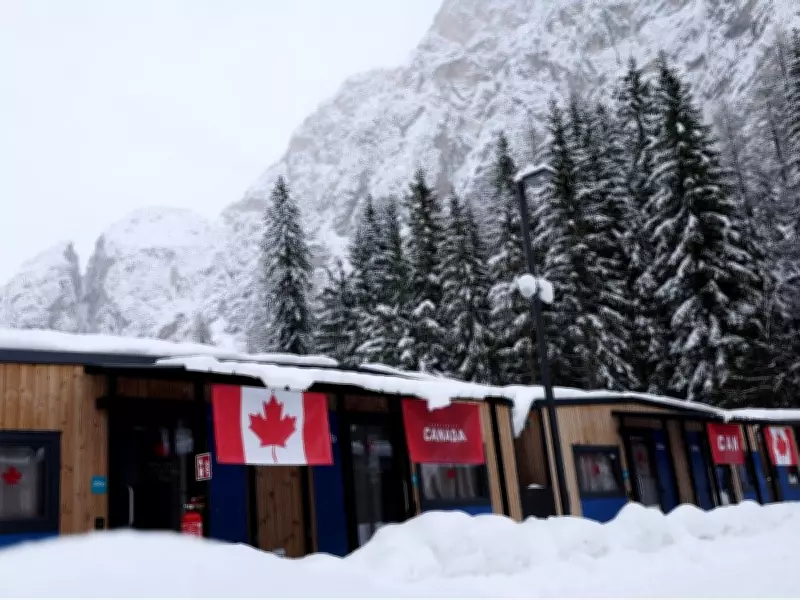
High in the Italian Dolomites, where Canada's curling teams are currently residing, Olympic accommodations for the 2026 Winter Games might not qualify as five-star luxury, but athletes report they're far from disappointing. The Canadian contingent has discovered surprisingly comfortable living arrangements in Cortina d'Ampezzo's specially constructed athletes' village.
From Initial Concerns to Pleasant Surprises
Paul Webster, Canadian curling coach, initially thought his athletes might need additional comforts when he first visited the Olympic village. "It's going to be a 'glamping' experience for the boys," he joked before the team departed for Italy. However, after the first week of competition, Canadian athletes have expressed genuine satisfaction with their temporary alpine homes.
Veteran Olympian and curler Marc Kennedy reflected the general sentiment: "I think it's better than advertised. We saw some pictures of the trailers, but I think they did a great job with it. My first impressions are it's fantastic. Rooms are comfortable. You've got to be prepared to be a little bit uncomfortable with certain things, but I haven't really found much."

The Structure of the Alpine Village
Located in Fiames, just a short shuttle ride from central Cortina, the village accommodates up to 1,400 athletes in dormitory-style double rooms with private washrooms. Official Olympic documentation describes the temporary structures as "a series of modular residential units connected by accessible pathways leading to communal areas" where competitors can eat, train, and socialize.
These prefabricated buildings, which will be dismantled after the Games, were initially characterized in some early coverage as resembling an alpine trailer park. Yet Canadian athletes have embraced their temporary homes, particularly curlers who often compete throughout the entire Olympic period.
Personalizing the Olympic Experience
Team Canada athletes have transformed their compact living spaces into personalized sanctuaries. Curler Rachel Homan and teammate Emma Miskew showcased their decorated room in a social media tour, complete with Team Canada merchandise, custom bedding, and plants borrowed from the village's plant lending library.
Coach Webster went further, outfitting his team with extra pillows and Canadiana-themed comforters from a Calgary blanket company. "Honestly, it looks like a 10-year-old boy's room, but the boys are like 'this is amazing,'" he remarked with amusement.
Long-Term Residents and Alpine Atmosphere
Brett Gallant, who competes in both mixed doubles and on Canada's men's curling team, may become one of the village's longest-tenured residents, potentially staying from before the Opening Ceremony until the men's gold medal game just before the Closing Ceremony.
Gallant described the authentic winter atmosphere: "We've kind of had to shovel a little bit every day. I mean, there's people doing it, but it's been snowing non-stop, so it's got this really wintry feel. You look out, and you see the mountains, the Dolomites, and it's spectacular."
The Canadian approach to Olympic housing demonstrates how athletes can create comfortable, personalized spaces even in temporary, modular accommodations. From what began as concerns about basic living conditions has evolved into a story of adaptation and contentment, with Canadian competitors making the most of their alpine home during the 2026 Winter Games.