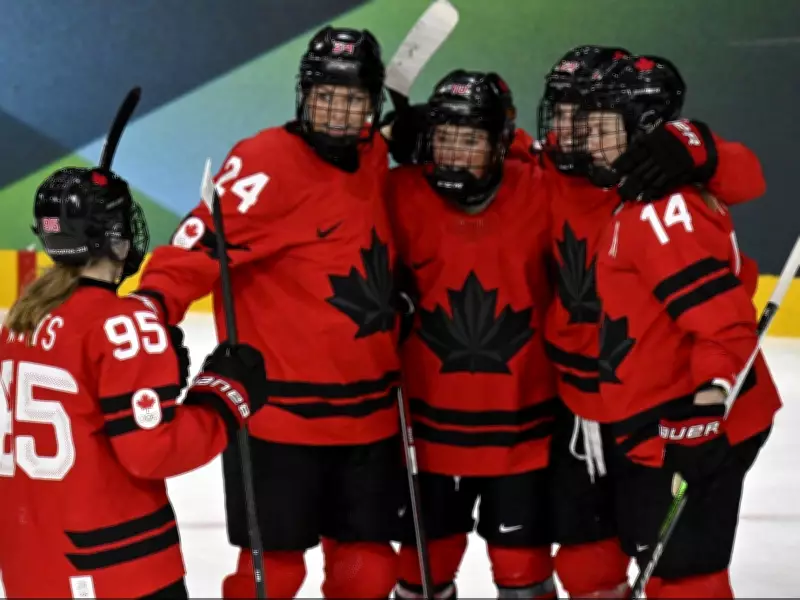
Why Canada's Olympic Hockey Teams Will Wear Nike Instead of Bauer in 2026
In a surprising twist for many hockey fans, Canada's national men's and women's teams will be sporting Nike-branded jerseys at the 2026 Olympic Games in Milan-Cortina, despite Bauer's continued partnership with Hockey Canada for domestic uniforms. This apparent contradiction stems from longstanding international hockey regulations that have created a dual-branding reality for Team Canada and other national federations.
The Bauer Partnership Remains Strong
Hockey Canada and Bauer announced on New Year's Eve that their partnership would continue well into the next decade, extending a relationship that has already spanned two decades. Bauer will continue producing the national teams' uniforms and off-ice apparel for domestic events and sales within Canada. This arrangement ensures that fans purchasing replica jerseys in Canadian stores will receive Bauer-branded merchandise, maintaining consistency with what players wear during most of their competitions.
Jeremy Knight, Hockey Canada's chief of staff, confirmed to Postmedia News that the current arrangement has been in place since 2023. "Bauer has the rights to sell the replica Team Canada jerseys in Canada through their marketing partnership with Hockey Canada as our official equipment provider and team apparel partner," Knight explained.

International Ice Hockey Federation Rules Dictate Olympic Apparel
The reason for the Nike branding at the Olympics lies with the International Ice Hockey Federation (IIHF), which has maintained exclusive apparel deals for international tournaments for decades. These agreements require all participating nations to wear uniforms supplied by a single manufacturer during Olympic Games and world championship events.
This practice dates back to the early 1990s, when Canada's domestic supplier was CCM, but players wore Tackla-branded jerseys at international competitions. The pattern has continued through various brand changes over the years, with most fans rarely noticing the distinction between domestic and international uniforms.
How the Dual System Works
Under the current system, Nike designs and produces the on-ice jerseys for all IIHF member countries during Olympic competition, giving them exclusive rights to sell these jerseys at Olympic venues. However, Bauer maintains exclusive rights to sell replica Team Canada jerseys within Canada through their partnership with Hockey Canada.
Other countries operate under similar arrangements. Sweden's hockey federation, for example, partners with CCM for domestic sales but wears Nike jerseys during international tournaments. When Canada hosts non-IIHF events like the World U17 Challenge, players wear Bauer-branded jerseys rather than Nike ones, demonstrating the flexibility of these sponsorship agreements.
Financial Benefits for Canadian Sports
Regardless of which brand appears on the jersey, half of all Team Canada jersey sales profits—whether from Nike or Bauer merchandise—go to the Canadian Olympic Committee. These funds are then distributed to other national sport organizations across Canada, supporting athletic development beyond hockey.
This revenue-sharing model ensures that even when fans see different brands on international versus domestic jerseys, their purchases contribute to the broader Canadian sports ecosystem. The system represents a careful balance between commercial partnerships, international regulations, and support for national athletic programs.
The 2026 Milan-Cortina Games will simply continue this long-established tradition of dual branding in international hockey, where what players wear on the ice differs from what fans can purchase at home, all while supporting Canadian sports at multiple levels.