Former Ottawa Sports and Entertainment Group co-owner Jeff Hunt is bringing his extensive experience in sports franchise management to the current debate surrounding arena construction for Lansdowne 2.0, strongly advocating for smaller, more intimate venues that create ticket demand and enhance fan experience.
The Nightclub Principle: Creating Perceived Value
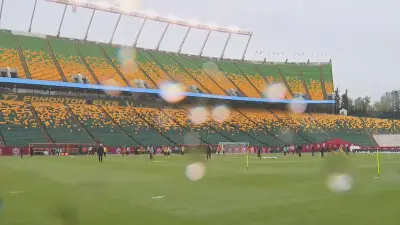
Hunt draws from his time leading the transformation of Frank Clair Stadium into TD Place Stadium for the Ottawa Redblacks in 2014, when his decision to reduce capacity from 28,500 to 24,500 seats faced criticism. "There was a perception that we were planning for some version of failure," Hunt recalled during a recent interview. "At the time I said, if we err on the side of the stadium, I would much rather err on it being too small than too big."
The sports executive uses a vivid analogy to explain his philosophy: "I've used the analogy since the first day I bought the Ottawa 67's ... walking into a nightclub that is half-full on a Saturday night is not an image you want. You want this perception of a lineup outside the nightclub, that tickets are hard to get and are valuable."

Proven Success with Ottawa Redblacks
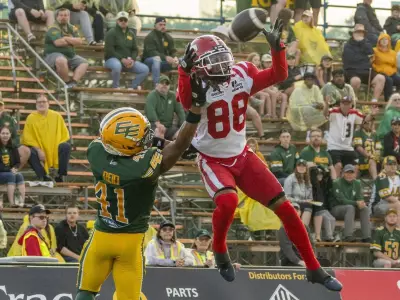
Hunt's approach proved remarkably successful with the Redblacks franchise. The team attracted 17,000 season-ticket holders in their first year, and every game through their first three seasons was completely sold out. "There was a perception that Redblacks tickets were valuable," Hunt noted. "People were selling their $50 tickets for $100. That's the environment you want."
This strategy aligns with a broader trend across Canadian sports, particularly in the CFL's Eastern Division. The Montreal Alouettes moved from Olympic Stadium's 60,000 capacity to McGill Stadium's 20,025 seats, while the Toronto Argonauts relocated from Rogers Centre to BMO Field, and Hamilton Tiger-Cats transitioned to the 24,000-seat Tim Hortons Field.
Building for Regular Season Success
Hunt emphasizes that venues should be designed for regular attendance rather than occasional major events. "You don't build an NHL arena with a championship final in mind," he stated. "You build it for the 42 home games a year, because that's the certainty you have, and empty seats beget empty seats. Seeing a sea of empty seats is death."
The former OSEG executive warns against creating the impression that tickets are readily available: "You don't want to have an impression in the market that you can walk up five minutes before a game and easily get good seats. You want that perception of scarcity."
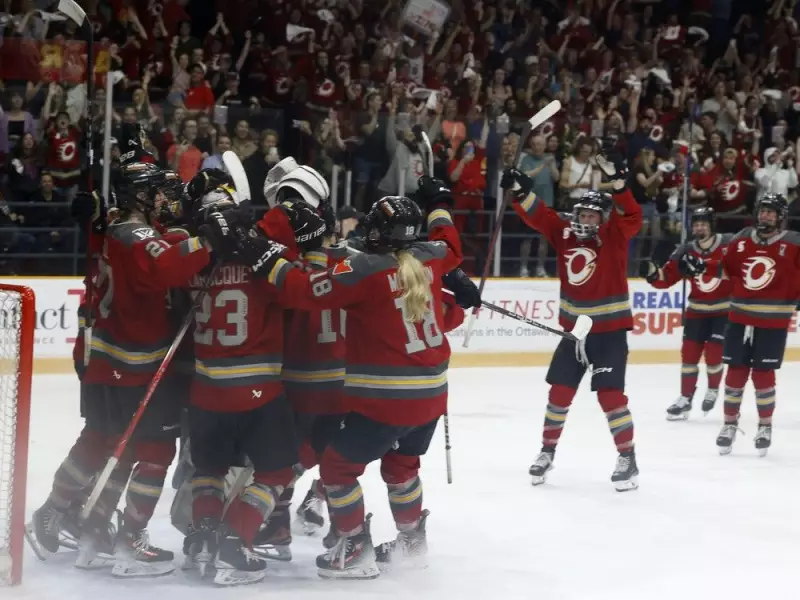
As Ottawa continues planning for the Lansdowne 2.0 project and the future home of the Professional Women's Hockey League's Ottawa Charge, Hunt's experience provides valuable insights into how venue size can directly impact a team's market perception and long-term success.