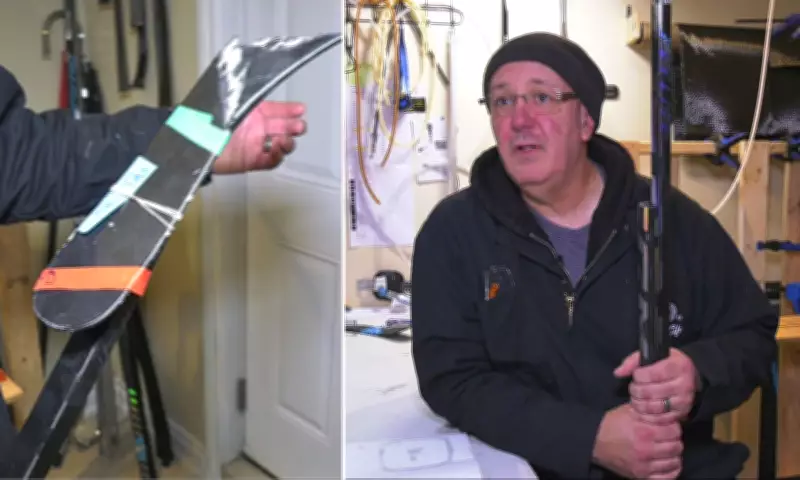
For hockey players and parents across Canada, the high cost of replacing broken sticks is a familiar financial burden. Now, a resourceful man from Mississauga, Ontario, has pioneered a practical repair method that could save enthusiasts thousands of dollars annually.
The High Cost of Hockey Equipment
Participating in hockey is notoriously expensive, with top-tier sticks often retailing for hundreds of dollars each. Frequent breakages, especially among competitive and youth players, can lead to annual costs soaring into the thousands for families and individual athletes. This financial strain has long been a point of frustration within the hockey community, prompting many to seek more economical alternatives.
A DIY Solution Emerges
Fed up with the cycle of purchasing new sticks, the Mississauga resident dedicated time to experimenting with repair techniques. His approach involves carefully assessing the damage—typically cracks or splits in the shaft or blade—and using specialized adhesives and reinforcement materials to restore structural integrity. The process not only extends the life of the equipment but also maintains performance characteristics crucial for gameplay.

"The goal was to create a reliable fix that players could trust on the ice," he explained. "It's about sustainability and affordability, without compromising on quality."
Benefits for the Hockey Community
This innovation offers significant advantages:
- Cost Reduction: Repairing a stick can cost a fraction of buying a new one, providing substantial savings over time.
- Environmental Impact: By reducing waste from discarded sticks, the method supports eco-friendly practices in sports.
- Accessibility: Lower-income families and amateur leagues can better afford to participate, promoting inclusivity in the sport.
Wider Implications and Future Potential
As hockey continues to grow in popularity across Canada, solutions like this address a critical pain point. The repair technique could inspire similar initiatives for other sports equipment, fostering a culture of resourcefulness and sustainability. Community workshops and online tutorials are being considered to share the knowledge broadly, empowering more players to take control of their equipment costs.
In an era where sports participation expenses are rising, this grassroots innovation from Mississauga stands out as a practical, money-saving breakthrough for hockey enthusiasts nationwide.