Homophobic Chants Disrupt Soccer Matches in Mexico, Prompting World Cup Concerns
Discriminatory chants have once again surfaced in Mexican soccer stadiums, leading to match suspensions and raising significant concerns as the 2026 FIFA World Cup approaches. This persistent issue highlights ongoing challenges in combating homophobia within the sport, with recent incidents drawing international attention and regulatory scrutiny.
Match Suspension Due to Discriminatory Behavior
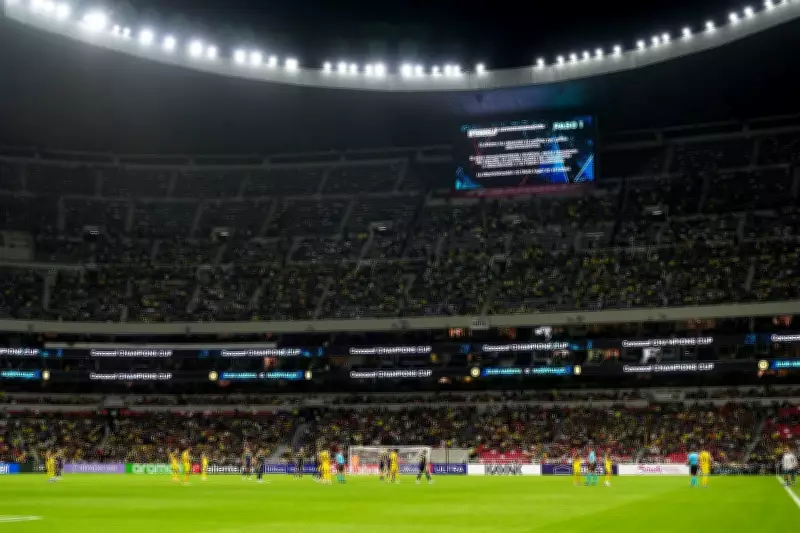
During a CONCACAF Champions Cup quarterfinal second leg match between Mexico's Club América and the United States' Nashville SC in Mexico City on April 14, 2026, referee Walter Lopez took decisive action. Lopez suspended the match after hearing homophobic chants from the crowd, underscoring the severity of the discriminatory behavior. This incident occurred at the iconic Estadio Azteca, a venue slated to host World Cup matches, amplifying worries about fan conduct during the global tournament.
Historical Context and Recurring Problem
Homophobic chants in Mexican soccer are not a new phenomenon. For years, fans have used derogatory slurs, particularly during goal kicks, leading to fines and sanctions from FIFA and CONCACAF. Despite educational campaigns and penalties, the behavior persists, reflecting deep-seated cultural issues. The recent suspension marks another chapter in this ongoing struggle, with authorities struggling to implement effective deterrents.

- Traditional fan rituals that have normalized discriminatory language
- Inconsistent enforcement of anti-discrimination policies by soccer federations
- Limited success of awareness programs aimed at changing fan behavior
Implications for the 2026 World Cup
With Mexico co-hosting the 2026 World Cup alongside the United States and Canada, the recurrence of homophobic chants poses a major reputational and operational risk. FIFA has strict protocols against discrimination, and similar incidents during the tournament could result in match forfeitures, stadium closures, or fines for the host nation. This adds pressure on Mexican soccer officials to address the issue proactively before the world's eyes are on their stadiums.
Experts warn that without swift action, Mexico could face embarrassing scenarios during the World Cup, potentially damaging its standing in international soccer. The Mexican Football Federation has pledged to intensify efforts, including stricter monitoring and fan education, but skepticism remains given past failures to curb the chants.
Global Response and Comparative Measures
Other countries have tackled similar issues with varying success. In Europe, organizations like UEFA have implemented three-step procedures for racist or homophobic chants, which can lead to match abandonment. However, cultural nuances in Mexico require tailored approaches. CONCACAF has condemned the recent incident, emphasizing a zero-tolerance policy, yet concrete solutions remain elusive.
Potential strategies being considered:- Enhanced security and technology to identify offending fans
- Collaboration with LGBTQ+ advocacy groups to promote inclusivity
- Harsher penalties for clubs whose fans engage in discriminatory behavior
Looking Ahead: Challenges and Opportunities
As the 2026 World Cup draws nearer, the spotlight on Mexico's handling of homophobic chants will only intensify. This issue transcends soccer, touching on broader societal attitudes toward LGBTQ+ communities. While the path forward is fraught with challenges, it also presents an opportunity for Mexico to lead by example in fostering a more inclusive sporting environment. The coming months will be critical in determining whether meaningful progress can be achieved before the global tournament begins.