Ottawa Charge Players Alexa Vasko and Rory Guilday Redefine Physical Play in Women's Hockey
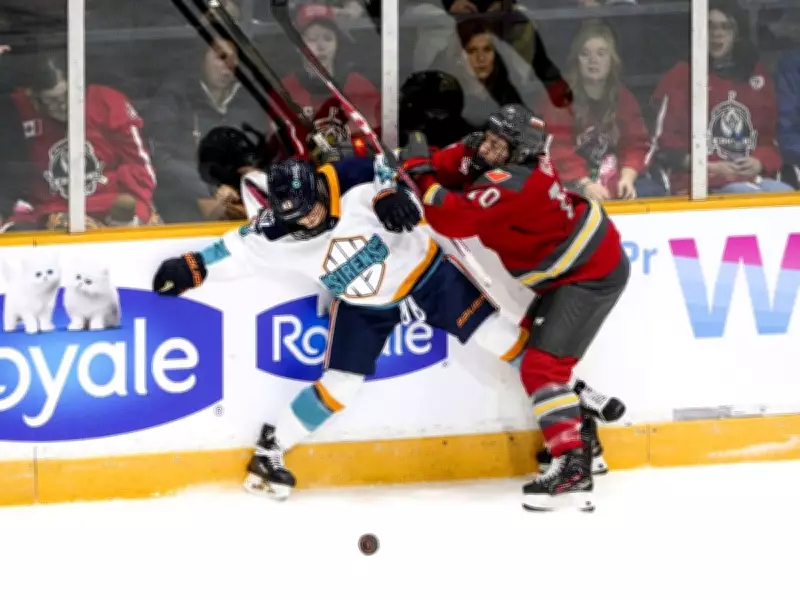
In the fast-paced world of the Professional Women's Hockey League (PWHL), two Ottawa Charge players are making waves by pushing the boundaries of physical play. Alexa Vasko and Rory Guilday have emerged as standout figures, demonstrating how body checking is evolving in women's hockey as the league carves out its unique identity.
The Unlikely Enforcer: Alexa Vasko's Impact
Standing at just 5-foot-5, Alexa Vasko might not appear as the most imposing figure on the ice, but her opponents quickly learn otherwise. The forward has recorded 47 hits this season, averaging 1.7 per game, earning her a reputation as one of the league's most physical players despite averaging only about 10 minutes of ice time per game.
"I've always been that kind of player," Vasko told the Ottawa Citizen in an exclusive interview. "I'd rather get in the corners and not let someone skate untouched in the middle of the ice."

What makes Vasko's physical play particularly remarkable is her discipline. While delivering momentum-shifting checks along the boards and battling for position in front of the net, she has taken just three penalties all season, quietly mastering the art of clean hitting in a league still defining its contact parameters.
Charge interim head coach Haley Irwin described Vasko as "a little Tasmanian devil" and emphasized her value to the team: "She's the biggest worker on the team and impacts our group in such a way that I think she sometimes forgets the value she brings."
The Towering Presence: Rory Guilday's Defensive Dominance
While Vasko surprises opponents with her physicality despite her stature, defender Rory Guilday presents a different challenge. At just under 6 feet tall, Guilday's presence is immediately noticeable on the ice, though dealing with her once she engages is what truly tests opponents.
Guilday joins Vasko near the top of the league's hit leaderboard alongside players like Renata Fast and Hannah Miller, forming a formidable physical presence for the Ottawa Charge that opponents must constantly account for.
Navigating the Evolving Rules of Body Checking
What both players and the entire PWHL are navigating is how to best play a physical style of hockey while respecting the league's developing boundaries for body checking. This aspect of the game remains prohibited in nearly every other level of women's hockey in North America, making the PWHL's approach particularly significant.
According to the league rulebook, body checking is permitted when:
- Players are moving in the same direction in a parallel check
- Players are making a play on the puck
However, unlike the NHL and other professional men's leagues, certain types of contact remain prohibited:
- Open-ice hits
- Head contact of any kind
- Head-on collisions
This represents a significant evolution from the women's game of decades past. Body checking was once widely permitted until it was removed from the women's world championships in 1992. Now, as women's hockey continues to develop professionally, leagues worldwide are beginning to reinstate their own rules regarding physical play.
The Strategic Value of Physical Play
Vasko emphasized the strategic importance of physicality in today's game: "Physicality is a big part of today's game. It can really swing the momentum of a game, and it can lead to a big play, so I think it's really important."
Despite scoring just one goal this season, Vasko's impact extends far beyond the scoresheet. Her relentless work ethic and physical presence create opportunities for her teammates and disrupt opponents' strategies, embodying the type of player who contributes to team success through means not always reflected in traditional statistics.
As the PWHL continues to establish itself and define the parameters of physical play, players like Vasko and Guilday are at the forefront of this evolution. Their approach demonstrates how women's hockey can incorporate physical elements while maintaining the skill and finesse that have long characterized the women's game, creating a unique brand of hockey that continues to captivate fans and push the sport forward.