AI in Hockey: NHL's Big Data Evolution and Canucks' Trade Reflections
When declarations surface that NHL teams are increasingly turning to artificial intelligence, it's hard not to chuckle a little. The reality is that what many now call "AI" has been a staple in hockey analytics for years, often under different names like big data or machine learning.
The Mislabeling of Technology in Sports
NHL organizations have long utilized sophisticated data sets to evaluate players and predict performance. For instance, teams like the Florida Panthers have employed databases containing historical player data to identify comparables for prospects and project their future development. This process, while advanced, is not true artificial intelligence but rather a deployment of large language models and supervised machine learning algorithms.
Expected goals models and contract projection systems are prime examples of supervised machine learning in action. These tools require human direction to function effectively, highlighting that the term "AI" is often a rebranding of existing technologies. As one might recall from financial analogies, it's akin to calling something new when it's built on old foundations.

The Dylan Guenther Trade: A Gamble Revisited
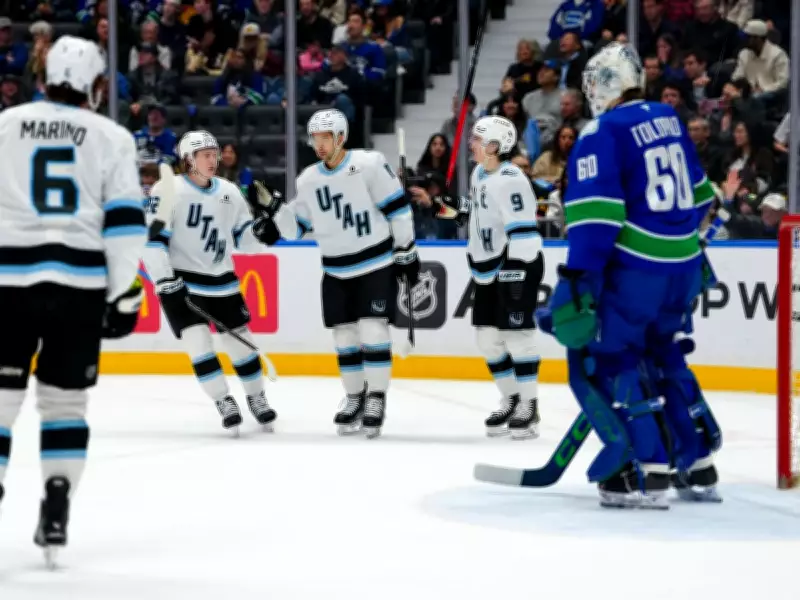
Dylan Guenther's impressive 38-goal season with the Utah Mammoth has reignited discussions about the Vancouver Canucks' 2021 trade. The deal, orchestrated by then-GM Jim Benning, sent Guenther to Arizona in exchange for Oliver Ekman-Larsson and Conor Garland. Today, the question lingers: Would the Canucks make that trade again? The answer leans heavily toward no.
At the time, the trade aimed to clear overpaid players from the roster while acquiring a top-four defenseman and a second-line winger. On paper, this strategy made sense for a team looking to reshape its lineup. However, the execution revealed flaws. Ekman-Larsson, already 30 years old, was paid like a number-one defenseman but didn't fit that role alongside Quinn Hughes. Garland, though a quality player, was eventually traded as the team entered a rebuild.
This trade underscores the high-stakes nature of NHL management. General managers must take calculated risks, but success hinges on targeting the right players for the right roles. Benning's swing, while understandable, ultimately missed because it chased the wrong type of asset. In contrast, moves like acquiring Nikita Zadorov for a third-round pick or trading Ethan Bear for Warren Foegele demonstrate more precise roster adjustments.
Building Team Culture from the Ground Up
Recent insights from hockey analysts suggest that the Canucks' management has undertaken a significant reset of the team's internal culture. This aligns with earlier reports that the organization considered a complete overhaul to address lingering issues. The lesson here is clear: proactive measures are essential. When problems arise, addressing them swiftly—whether through internal solutions or aggressive roster changes—can prevent long-term dysfunction.
The Canucks' experience serves as a cautionary tale about letting issues fester. In hockey, as in business, timing and decisiveness are critical to fostering a winning environment.