Olympic Athletes Discover Therapeutic Power of Knitting and Crocheting
In an unexpected twist at the Olympic Games, elite athletes are finding mental clarity and stress relief not just through traditional training methods, but through the rhythmic motions of knitting needles and crochet hooks. Speedskater Greta Myers, biathlete Jasper Fleming, skier Breezy Johnson, and numerous other competitors have embraced fiber arts as essential tools for maintaining psychological balance during the intense pressure of world-class competition.
The Crafty Olympians
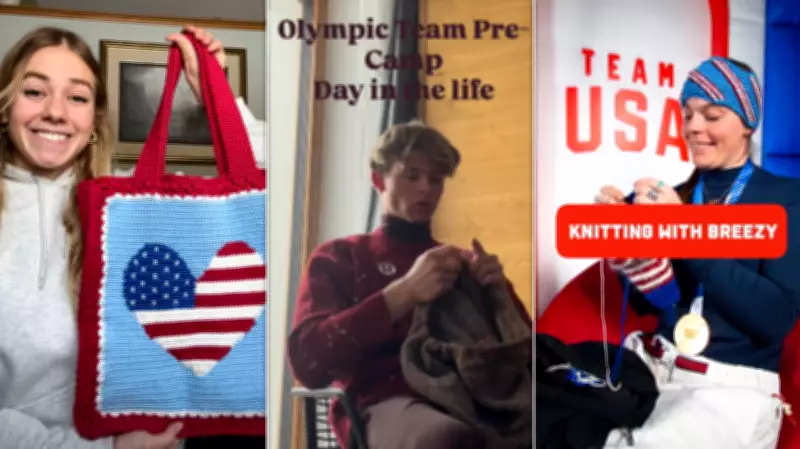
While British diver Tom Daley famously knitted during the Tokyo Olympics, he's far from alone in this creative pursuit. Team USA silver medalist skiers Breezy Johnson and Ben Ogden have both shared their knitting projects with fans, while snowboarder Maddie Mastro gave tours of her latest creations before competing. Speedskater Greta Myers crocheted an American flag bag for her mother to carry in Milan, and Canadian biathlete Adam Runnalls declared himself the "2026 official knitter" on social media, watching his follower count soar as he documented sweater progress.
"It's been very therapeutic for me," Myers told HuffPost about her crocheting practice. "It's given me a good outlet outside of skating that I can just funnel my attention to. You have to trust the process, and you have to accept sometimes it's not going to turn out perfect."

Mental Health Benefits in High-Stakes Environments
Experts confirm that hobbies like knitting and crocheting offer multiple psychological advantages that are particularly valuable for athletes competing under global scrutiny. These activities promote mindfulness, improve focus, and activate relaxation responses—all crucial for performance optimization.
"If we're too dysregulated emotionally, then that means there are a lot of neurotransmitters sort of firing around our brain that are going to make it almost impossible to be able to think logically and strategically," explained Ashley Samson, a professor in the department of kinesiology and health promotion at the University of Kentucky who works with athletes on emotion regulation.
Paula Redmond, a UK-based clinical psychologist who specializes in the therapeutic benefits of knitting, describes how the craft facilitates "down regulation"—calming the mind, interrupting rumination, and activating the body's relaxation response. A 2024 University of Gothenburg study found that knitters reported clearer thinking and better stress management.
Building Resilience Through Creative Expression
For athletes whose identities can become overly tied to their sporting performance, having creative outlets provides crucial psychological balance. "There's a lot of research in athletic identity," Samson noted. "The bigger the piece of pie our athletic identity is, in terms of how we define our whole selves, the more problems that athletes can face."
Myers shared how crocheting helped her through a particularly challenging period when her skating blades broke during Olympic qualifying. "I had a lot of anxiety about how I was going to do," she recalled. "And [my American flag bag] project that I was working on for my mom kept me very grounded in that process. I'd be stressed at the rink, but I would come home and just be like, 'OK, I'm gonna get done the handle today, or I'm gonna sew the stars on today.'"
The Science Behind the Stitches
Several factors make knitting and crocheting particularly beneficial for high-performance athletes:

- Rhythmic Repetition: The small, repetitive movements create a soothing effect similar to rocking motions that calm infants.
- Mindful Focus: Following patterns requires attention to the present moment, quieting external stressors.
- Low-Stakes Creativity: "The stakes are low," Redmond emphasized. "If something goes wrong, you can unravel it, and you've got what you started with."
- Autonomy and Control: In environments where much is unpredictable, crafts offer complete control over materials, design, and execution.
- Community Connection: These hobbies often lead to social connections with like-minded individuals.
Canadian biathlete Jasper Fleming noted how his coach provided knitting supplies to keep the team occupied during competition tours. "Our Canadian team is very right knit (pun intended), and having something that ties us all together even further is pretty cool!" he wrote to HuffPost.
Beyond the Podium
The benefits of these crafts extend far beyond Olympic athletes. Anyone can experience the sense of accomplishment, community, and creative expression that comes from making something with their own hands—imperfections and all. As Myers reflected on her crocheting practice: "It just brings kind of a sense of peace, and it's nice to just have a choice that I can do something that makes me feel happy while I'm outside of skating. 'Cause, I don't know, sometimes skating can go well. Sometimes it doesn't go well. It's just how elite sports are. And crochet's just—it's always there if I need to do it."
In an era when mental health in sports has gained increased attention—with superstars like Simone Biles and Naomi Osaka openly discussing their needs—these humble crafts offer powerful, accessible tools for psychological resilience that anyone can pick up with a trip to the craft store and a willingness to learn.