Quebec Politician Blasts Olympic Officials Over French Language Ban for Hockey Star
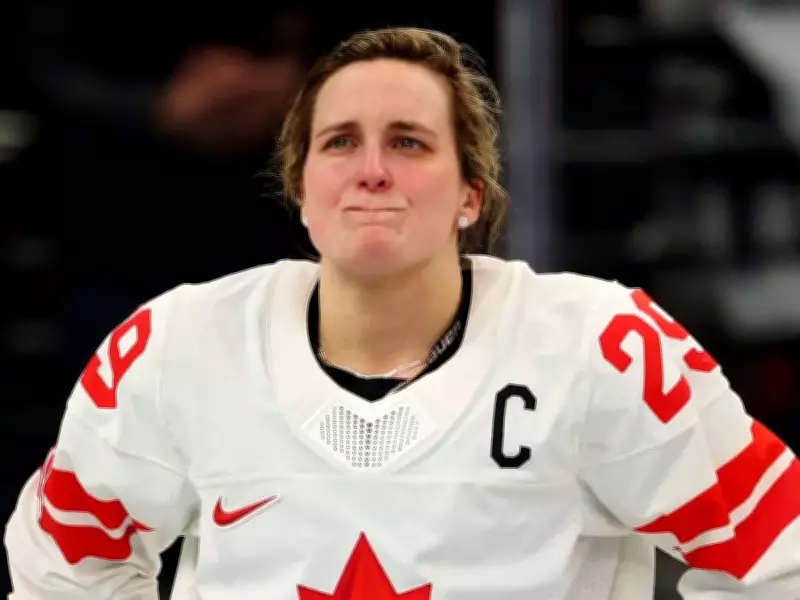
In a fiery condemnation, Parti Québécois MNA Pascal Bérubé has lashed out at Olympic officials for allegedly forbidding Canadian women's hockey captain Marie-Philip Poulin from speaking French during a medal ceremony at the Milano Cortina Olympics. The incident, which occurred after Team Canada's heartbreaking 2-1 overtime loss to the United States in the gold-medal game on Thursday, has sparked outrage in Quebec and beyond.
"Ultimate Insult and Humiliation"
Bérubé described the situation as an "ultimate insult, humiliation," stating there is no other way to characterize the prohibition imposed on Poulin. He echoed reports from journalist Luc Gélinas, who was broadcasting from Milan on CIHO 96.3 FM, that Olympic officials had explicitly barred the French-Canadian athlete from using her native language on the podium.
"I demand that the Minister of Sports, Isabelle Charest, shed light immediately on this serious incident for all Quebecers, and especially for our athletes who have the right to excel and triumph in their language," Bérubé declared in a post on X, formerly known as Twitter.

Background of the Athlete and Language Policies
Marie-Philip Poulin, 34, hails from the small Quebec town of Beauceville, where French is her first language. She moved to Montreal at age 16 to learn English, balancing her bilingual skills with a stellar hockey career. According to official guidelines from the Paris 2024 Olympic Games, both English and French are recognized as the two official languages of the International Olympic Committee (IOC), with both used in medal ceremonies and opening events.
The Gazette attempted to contact the Canadian Olympic Committee and representatives for Poulin for clarification but did not receive a response prior to publication. This lack of explanation has only fueled the controversy, leaving many questions unanswered about the enforcement of language protocols at the international sporting event.
Broader Implications and Reactions
The alleged incident has ignited a broader debate about cultural respect and linguistic rights in global sports. Bérubé's outcry highlights the emotional and political significance of language for Quebecers, particularly in high-profile settings like the Olympics. As the story develops, it underscores the ongoing tensions between international regulations and regional identities, with potential repercussions for future Olympic policies and athlete expressions.
This controversy comes at a sensitive time, following Canada's narrow defeat in the gold-medal game, adding an extra layer of disappointment for fans and athletes alike. The situation remains under scrutiny as calls for transparency and accountability grow louder from political and public spheres.