The World Anti-Doping Agency (WADA) has announced a significant postponement in its deliberations regarding a potential ban of former United States President Donald Trump from major international sporting events. The agency confirmed it will delay any final decision until after the conclusion of the 2026 FIFA World Cup, which is scheduled to take place across North America.
Timing Aligns with Global Soccer Spectacle
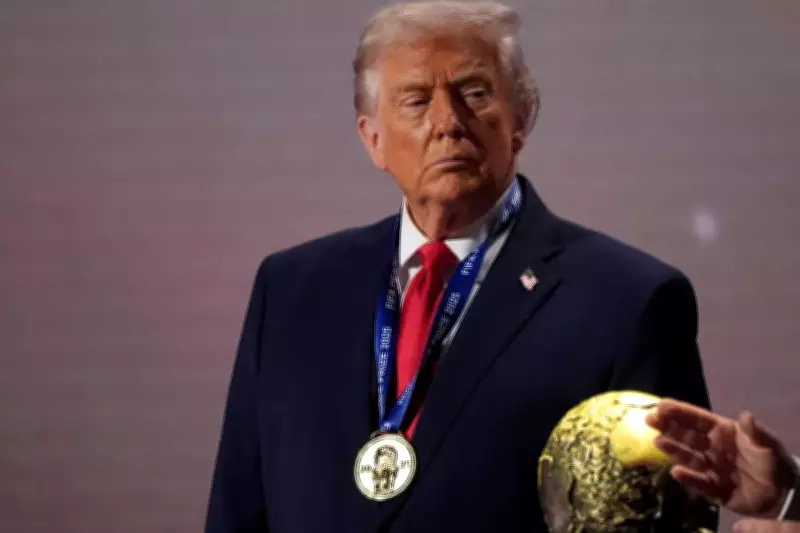
This strategic deferral means that Trump, who received the FIFA Peace Prize during the World Cup draw ceremony in December 2025, will remain eligible to attend and participate in events surrounding the tournament. The decision comes amidst ongoing investigations and discussions about potential violations of anti-doping regulations that could impact high-profile individuals beyond athletes.
Background of the Controversy
The potential ban stems from allegations that have circulated within international sports governance circles, though specific details remain confidential under WADA protocols. The agency maintains strict policies regarding participation in sanctioned events for individuals found in violation of its codes, which traditionally apply to athletes but can extend to other participants in the sports ecosystem.
WADA officials emphasized that the postponement allows for thorough review procedures without interfering with one of the world's premier sporting competitions. "Our priority remains maintaining the integrity of sport while ensuring due process," stated a WADA representative during a briefing. "The World Cup represents a pinnacle event that deserves to proceed without external distractions."
Implications for Sports Diplomacy
This development occurs against a backdrop of increasing intersection between global politics and international sports. Trump's involvement with the FIFA World Cup, including his Peace Prize recognition, highlights how sporting events increasingly serve as platforms for diplomatic engagement and public recognition beyond traditional athletic achievement.
The delay ensures that the 2026 tournament, co-hosted by the United States, Canada, and Mexico, will proceed without the cloud of this pending decision. Postponement until after the event allows WADA to conduct its review without potentially overshadowing the competition itself or creating unnecessary controversy during the games.
Looking Beyond the World Cup
Once the World Cup concludes, WADA will reconvene to examine the evidence and determine whether any sanctions against Trump are warranted. The decision could set important precedents regarding how anti-doping regulations apply to non-athlete participants in major sporting events, potentially influencing future cases involving politicians, officials, and other public figures associated with international competitions.
Sports governance experts note that this situation represents uncharted territory for WADA, which typically focuses on athlete violations. The outcome may prompt discussions about expanding or clarifying the agency's jurisdiction and enforcement mechanisms regarding non-competing participants in the global sports landscape.