Officials with Canada's national skeleton program have firmly denied allegations of attempted Olympic sabotage, following accusations levelled by a prominent American slider. The dispute adds a layer of tension to the high-speed sport just over a year before the 2026 Winter Olympics.
U.S. Slider Levels Serious Allegations
The controversy stems from claims made by Katie Uhlaender, a veteran slider for the United States. While the specific details of the alleged sabotage were not fully outlined in the initial report, such accusations in elite sports typically involve interference with equipment, training schedules, or psychological gamesmanship intended to undermine a competitor's performance.
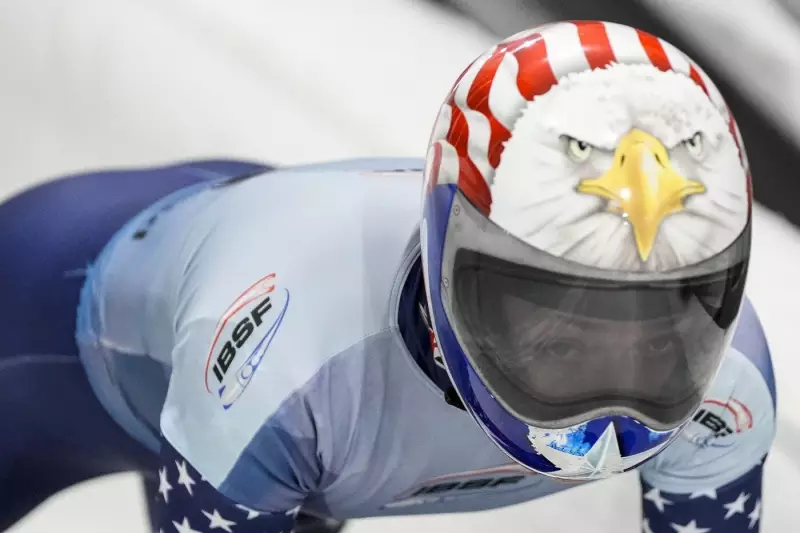
Uhlaender is a seasoned athlete in the sport, having competed internationally for years. She was most recently seen competing at the skeleton world championships in Lake Placid, New York, in March 2025. The allegations suggest a serious breach of sportsmanship and ethics within the tightly-knit skeleton community.

Canadian Team Issues Strong Rebuttal
In response to the public claims, representatives for Canada's skeleton team issued a categorical denial. The team, which has historically been a strong contender in international skeleton competitions, including the Olympics, stated that it operates with integrity and respects the principles of fair play.
The Canadian statement aimed to quell the growing speculation and protect the reputation of its athletes and coaching staff. With the next Winter Games on the horizon, maintaining a focus on training and preparation is paramount, and the team emphasized its commitment to clean competition.
Potential Ramifications for Olympic Preparations
This public disagreement threatens to cast a shadow over the lead-up to the Milano-Cortina 2026 Olympic Winter Games. International sports federations, including the International Bobsleigh and Skeleton Federation (IBSF), often investigate such serious claims to ensure a level playing field.
If the allegations were proven, they could result in sanctions against individuals or a national team. However, with a strong denial from the Canadian side and no presented evidence in the initial report, the situation currently rests as a matter of conflicting statements. The incident underscores the intense pressure and high stakes involved in Olympic-level sports, where rivalries can sometimes spill beyond the track.
As of January 12, 2026, the story remains developing. Both national teams are expected to continue their preparations for the upcoming World Cup season, which serves as a qualifier for the Olympic Games. The skeleton community will be watching closely to see if further details emerge or if the governing body chooses to intervene.