Ukrainian Skeleton Athlete Faces Olympic Disqualification Over Protest Helmet
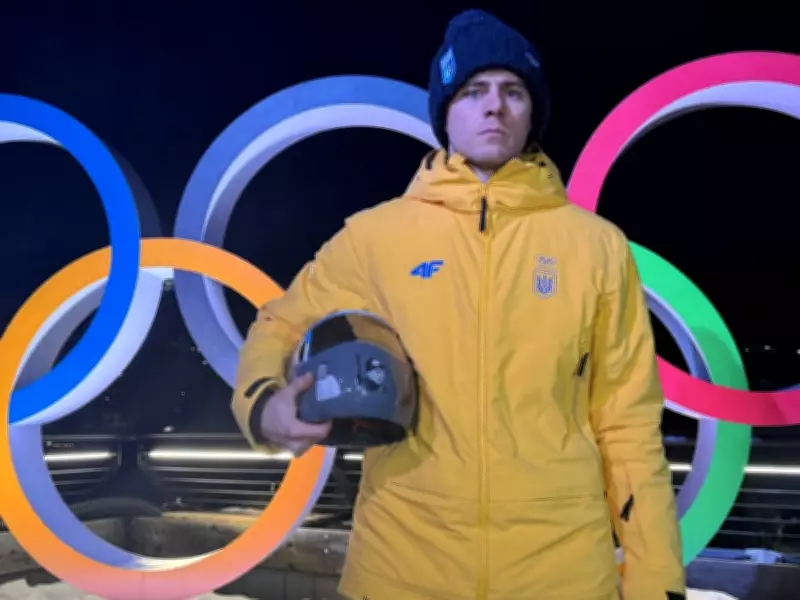
Vladyslav Heraskevych, a Ukrainian skeleton competitor at the 2026 Winter Olympic Games in Milano-Cortina, is now threatened with disqualification for his steadfast refusal to remove his "helmet of remembrance." The helmet, which features hand-painted images of Ukrainian sportsmen and women killed during Russia's unlawful invasion of Ukraine, has become a focal point of controversy at the Games.
IOC Issues Stern Warnings
The International Olympic Committee has escalated its response to Heraskevych's protest, issuing both public and private warnings regarding political messaging. On Wednesday, just before the first skeleton heats on Thursday, the IOC implored the athlete to back down or face potential disqualification. IOC spokesperson Mark Adams emphasized the committee's desire for Heraskevych to compete while urging him to express his grief through alternative channels.
"We will contact the athlete today, we will reiterate the many, many opportunities that he has to express his grief," Adams stated. "As we discussed before, he can do so on social media, in the press conferences, in the mixed zone. So we will try to talk to him about that, try to convince him. We want him to compete. We really, really want him to have his moment. That's very, very important."

Athlete Guidelines and Olympic Charter
The IOC's stance is grounded in Article 50.2 of the Olympic Charter, which explicitly prohibits "any kind of demonstration or political, religious or racial propaganda" in Olympic venues. Adams highlighted that these guidelines were developed with input from thousands of athletes and their commissions, reflecting a collective desire to keep the field of play free from distractions.
"The athlete guidelines are online, they were agreed by 4,500 athletes and the input of many athlete commissions," Adams explained. "This is what the athletes want. They want that specific moment on the field of play to be free from any distraction. He can and we would encourage him to express his grief. We feel his grief. We would expressly want him to do that but you know in the end let me be clear: It's not the message, it's the place that counts."
Heraskevych's Defiance and Support
Despite the mounting pressure, Heraskevych has continued to wear the helmet throughout training runs this week, demonstrating his unwavering commitment to the tribute. He has received strong backing from Ukrainian President Volodymyr Zelensky and served as the flag bearer for Ukraine during the opening ceremonies, underscoring his prominent role in the national team.
Adding to the stakes, Heraskevych is a medal threat in the competition. He currently holds the fourth-best betting odds to win gold and posted the second-fastest time during Tuesday's training sessions, making his potential disqualification a significant loss for both the athlete and the Games.
Potential Consequences and Ongoing Standoff
When questioned directly about the possibility of disqualification, Adams avoided hypotheticals but affirmed the enforcement of rules. "I don't think it's helpful in this situation to look at hypotheticals particularly since we are actually trying to get to a place where we can get him to take part," he said. "But obviously there are rules and regulations, and without belabouring the point, there are rules and regulations that the athletes themselves want us to enforce, and they will ultimately be enforced."
The situation remains tense as Heraskevych prepares for competition, balancing his athletic ambitions with a powerful personal statement against the backdrop of international sports diplomacy.