AI: Embracing the Future or Fearing the Unknown?
In the rapidly evolving landscape of artificial intelligence, the debate intensifies: should society embrace AI as a transformative tool or fear its potential disruptions? Marc Low, the ignition Vancouver lead at KPMG, stands firmly in the camp of techno-optimists, asserting that AI represents a "force for good" in our lives and workplaces.
The Optimist's Perspective
"You can’t make an omelette without breaking some eggs, and the same is true when it comes to the development, application and use of AI," Low explains, acknowledging the inherent challenges in technological advancement. He emphasizes that AI can be either "exhilarating and inspiring or it’s fuel for nightmares," depending largely on one's viewpoint. With eyes wide open to both the opportunities and risks, Low believes that when properly managed, AI will drive positive change across various sectors.
The Disruption Dilemma
This optimistic outlook comes despite growing concerns about AI's impact on employment. A recent example highlighted by Low involves Matt Shumer's blog post titled "Something Big Is Happening," where Shumer, an AI founder, coder, and designer, claims that AI is replacing him in his technical work, stating, "I am no longer needed for the actual technical work of my job." This raises critical questions about whether AI serves as a "disruptive job killer or an expansive force within every sector of the workplace."

Supporting these concerns, a Citrini Research Macro Memo predicts that unemployment numbers could rise to 10.2 percent by June 2028, potentially linked to AI-driven automation. However, Low counters this by pointing to AI's potential to create new roles and enhance productivity, arguing that the technology's benefits outweigh its risks when implemented thoughtfully.
Balancing Opportunities and Risks
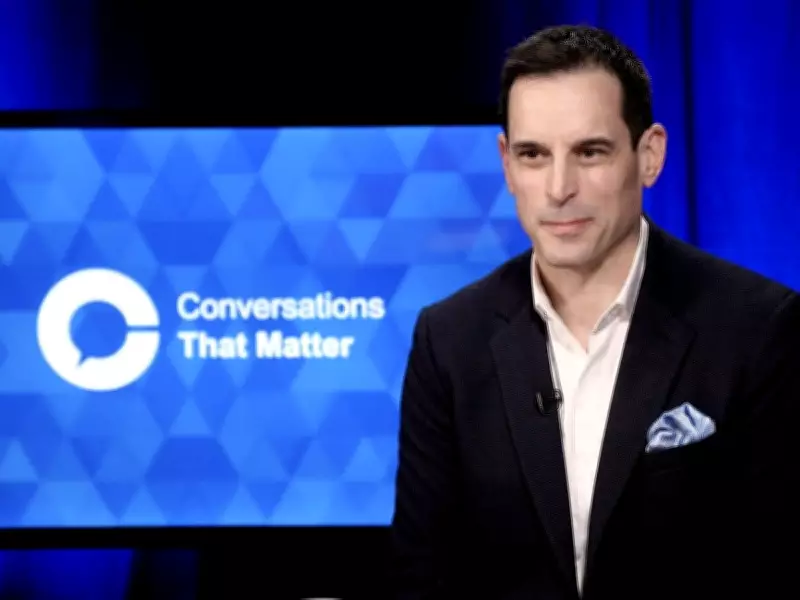
Low recently participated in a "Conversations That Matter" discussion, focusing on the current and future opportunities and impacts of artificial intelligence. He stresses that while AI may displace certain jobs, it also opens doors to innovation, efficiency, and solutions to complex problems. The key, according to Low, lies in proactive adaptation and education to prepare the workforce for an AI-integrated future.
As industries from healthcare to finance increasingly adopt AI, Low advocates for a balanced approach that harnesses the technology's potential while addressing ethical and social implications. He notes that AI's role in sectors like energy, as highlighted in resources such as FP West: Energy Insider, demonstrates its capacity to drive progress when aligned with human expertise.
Looking Ahead
The conversation around AI continues to evolve, with events like the Conservative party of B.C. leadership candidates forum on April 28 likely to touch on technological policies. Low's perspective serves as a reminder that while fears of job loss and disruption are valid, a forward-thinking mindset can help society leverage AI as a tool for growth and improvement. Ultimately, whether AI is embraced or feared may depend on how well we navigate its integration into our daily lives and economies.