Smart glasses equipped with artificial intelligence are fueling a cheating crisis in Asia's exam halls, where high-stakes tests can determine a student's entire future. The devices, which can transmit real-time answers and even read questions aloud, have become the latest weapon in a cat-and-mouse game between cheaters and proctors.
How AI Glasses Enable Cheating
The glasses look like ordinary eyewear but contain tiny cameras, microphones, and speakers connected to AI systems that can answer questions instantly. Students wear them into exams, where the AI provides answers via discreet earpieces or text displayed on the lenses. Some models can even analyze test papers and feed correct responses without any external help.
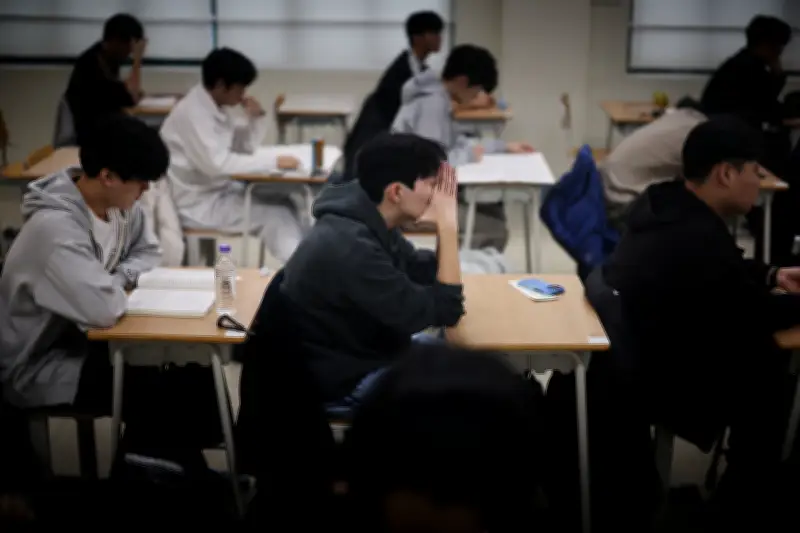
South Korea, known for its grueling college entrance exams, has been ground zero for this trend. In November 2025, students were seen waiting for the annual Suneung exam in Seoul amid heightened security. Authorities have since confiscated dozens of pairs of smart glasses.

Scale of the Problem
According to education officials, the problem extends beyond South Korea to other test-obsessed Asian nations like China, Japan, and India. In China's gaokao, the national university entrance exam, authorities reported a 40% increase in cheating attempts using wearable technology in 2025 compared to the previous year. One official stated, 'The technology is advancing faster than our ability to detect it.'
Japan's education ministry has issued warnings about AI glasses after several incidents during university entrance exams. In India, where competitive exams for engineering and medical schools draw millions, cheating syndicates are reportedly renting out AI glasses for thousands of dollars.
Response from Authorities
Exam boards are scrambling to respond. South Korea's Ministry of Education has deployed metal detectors and signal jammers in test centers, but these measures are not foolproof. 'We are in an arms race with cheaters,' said a ministry spokesperson. 'Every time we develop a countermeasure, they find a new way around it.'
Some universities have banned all smart eyewear, while others are training proctors to spot the subtle signs of AI-assisted cheating, such as unusual eye movements or whispered responses. However, the devices are becoming smaller and more sophisticated, making detection increasingly difficult.
Broader Implications
The cheating epidemic raises questions about the fairness of high-stakes exams and the role of AI in education. Critics argue that the pressure-cooker environment in Asia drives students to desperate measures. 'When a single test can determine your entire life, cheating becomes a rational choice for some,' said a Seoul-based education researcher.
Meanwhile, tech companies are facing pressure to build safeguards into their products. Some have started adding features that disable AI assistance during exams, but these can be bypassed by tech-savvy users. As one expert put it, 'The genie is out of the bottle. We need to rethink how we assess students in an age of ubiquitous AI.'