AI-Generated Images Fuel Misinformation in Online Coverage of Iran Conflict
As tensions escalate in the Middle East, a new wave of digital deception is complicating the global understanding of events. Artificial intelligence-generated images related to the conflict between Iran and Israel are proliferating across social media platforms and websites, spreading misinformation at an alarming rate. This phenomenon underscores the growing challenge of verifying visual content in the digital age, where sophisticated AI tools can create convincing but entirely fabricated scenes.
Expert Insights on Digital Deception
Marisha Goldhamer, the Head of Digital Investigations for North America at Agence France-Presse (AFP), has been at the forefront of identifying and analyzing this troubling trend. In a recent discussion, Goldhamer emphasized how these AI-generated images are being used to manipulate public perception of the war in Iran. "We are seeing a significant increase in synthetic media that appears realistic but is designed to support false narratives," she explained. "These images often depict military actions, casualties, or political events that never occurred, making it difficult for the average internet user to distinguish fact from fiction."
The spread of such content is not merely a technological curiosity; it has real-world implications. Misinformation can influence public opinion, exacerbate geopolitical tensions, and even impact policy decisions. Goldhamer noted that AFP's digital investigations team employs a combination of forensic analysis, source verification, and collaboration with tech companies to track and debunk these false images. However, the rapid advancement of AI image generation tools means that bad actors can produce deceptive content faster than ever before.

The Broader Context of Online Misinformation
This issue is part of a larger pattern of misinformation that has been observed in various conflicts and crises worldwide. The Iran conflict, with its high stakes and international attention, has become a focal point for such activities. AI-generated images are particularly insidious because they exploit the human tendency to trust visual evidence. Unlike text-based falsehoods, fabricated images can bypass critical thinking and evoke emotional responses more effectively.
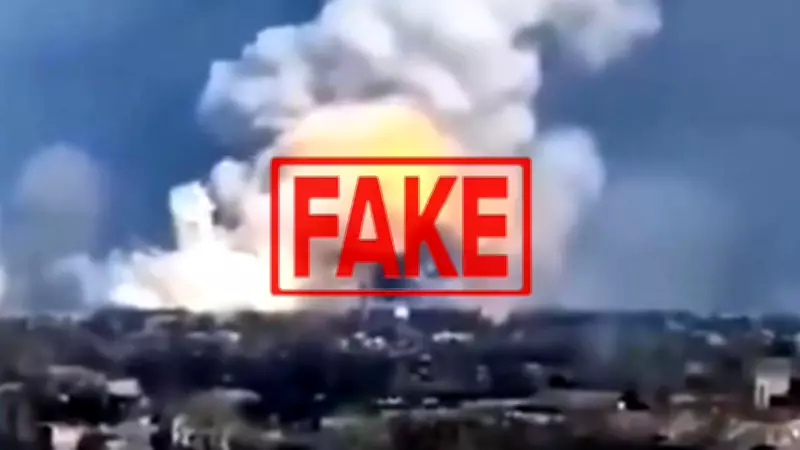
Goldhamer highlighted several examples where AI-created visuals have been shared widely, purporting to show missile strikes, troop movements, or humanitarian crises that are either exaggerated or entirely fictitious. These images often originate from anonymous accounts and are amplified through bot networks, making them appear more credible through sheer volume of shares and likes.
Challenges and Responses
Combating this type of misinformation requires a multi-faceted approach. Media organizations like AFP are investing in advanced detection technologies and training journalists in digital literacy skills. Social media platforms are also under pressure to implement more robust content moderation policies, though the balance between free speech and misinformation control remains contentious.
For the public, Goldhamer advises skepticism and verification. "Always check the source of an image, look for inconsistencies in lighting or shadows, and cross-reference with reputable news outlets," she recommended. Educational initiatives aimed at improving media literacy are becoming increasingly important in an era where anyone with a smartphone can be both a consumer and producer of news.
The proliferation of AI-generated images in the coverage of the Iran conflict serves as a stark reminder of the evolving landscape of information warfare. As technology continues to advance, the need for vigilance, critical thinking, and collaborative efforts between media, tech companies, and the public has never been more urgent. This digital arms race between truth and deception will likely define how future conflicts are perceived and understood globally.