China's State Media Embraces Digital Tools for Global Influence
In a significant shift towards modern communication strategies, China's state-controlled media outlets are actively utilizing social media platforms and advanced artificial intelligence technologies to craft and disseminate their narratives on the global stage. This approach often includes content that directly criticizes or satirizes the United States, reflecting broader geopolitical tensions.
Viral Animations and Mocking Content
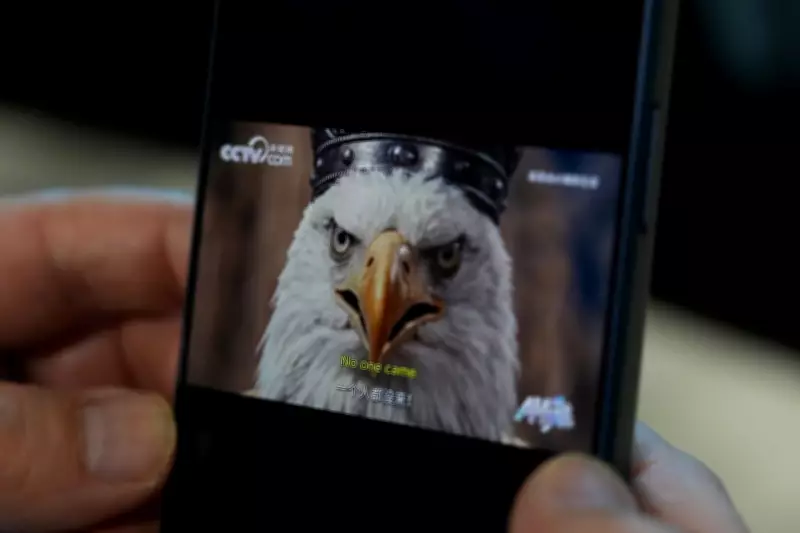
A prominent example of this strategy emerged recently with an AI-generated viral animation released by Chinese state media. The animation, which depicts the United States as a white eagle in a mocking manner, gained widespread attention on mobile devices and social networks in Beijing and beyond. This content is part of a coordinated effort to shape public opinion both domestically and internationally, leveraging the reach and engagement potential of digital media.
The use of AI allows for the rapid production of persuasive and visually compelling materials, which can be tailored to resonate with specific audiences. By creating shareable content that often highlights perceived flaws or controversies in U.S. policies, Chinese media aims to bolster its own national image while undermining that of its strategic competitor.

Strategic Implications and Global Messaging
This move represents a sophisticated evolution in state propaganda techniques, moving beyond traditional broadcast methods to embrace the interactive and viral nature of contemporary online ecosystems. The integration of AI not only enhances production efficiency but also enables more personalized and targeted messaging, which can be adjusted in real-time based on audience reactions and global events.
Analysts observe that such tactics are designed to:
- Amplify China's perspective on international issues
- Counter Western media narratives that are often critical of the Chinese government
- Engage younger, tech-savvy demographics who consume news primarily through social media
- Create a sense of cultural and technological prowess associated with Chinese innovation
Furthermore, the mocking tone directed at the U.S. serves to reinforce nationalist sentiments within China while attempting to influence global discourse. This strategy is part of a broader soft power initiative, where media outputs are carefully curated to project strength, modernity, and moral authority.
As digital platforms become increasingly central to information warfare and public diplomacy, the reliance on AI and social media by state actors like China is expected to intensify. This development underscores the growing importance of technological capabilities in shaping geopolitical narratives and the ongoing competition for influence in the digital age.