Disney and OpenAI's Billion-Dollar AI Video Partnership Abruptly Ends
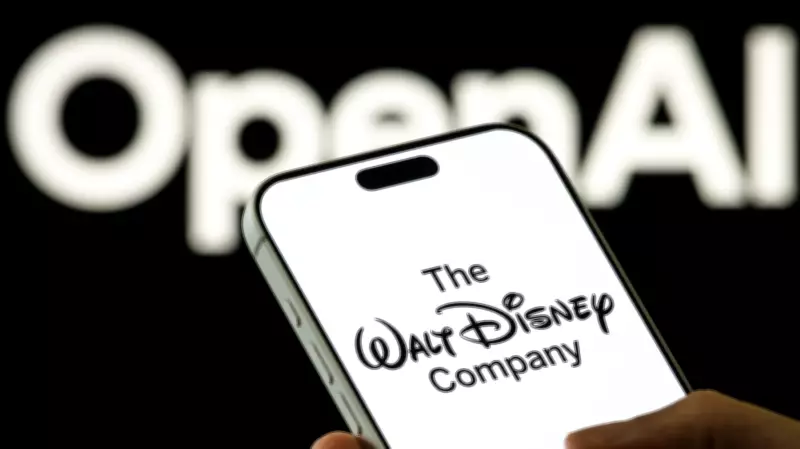
The ambitious billion-dollar collaboration between entertainment giant Disney and artificial intelligence leader OpenAI, which promised to revolutionize Hollywood storytelling, has quietly come to an end. The termination was announced through a simple social media post on Tuesday, marking a dramatic reversal from the fanfare surrounding its launch just four months earlier.
The Sudden Demise of Sora
"We're saying goodbye to Sora," declared the Sora team in their official statement. They expressed gratitude to the community that had embraced the technology, acknowledging, "To everyone who created with Sora, shared it, and built community around it: thank you. What you made with Sora mattered, and we know this news is disappointing."
This quiet conclusion stands in stark contrast to the initial announcement of what was described as a "landmark agreement" between the two corporate titans. At that time, Disney's then-CEO Bob Iger and OpenAI CEO Sam Altman had enthusiastically predicted that Sora would "unlock new possibilities in imaginative storytelling" and transform how audiences engage with Disney content.

Initial Promises and Grand Visions
During the partnership announcement, Iger had emphasized the significance of artificial intelligence for the entertainment industry, stating, "The rapid advancement of artificial intelligence marks an important moment for our industry, and through this collaboration with OpenAI we will thoughtfully and responsibly extend the reach of our storytelling through generative AI, while respecting and protecting creators and their works."
He further elaborated on the vision, explaining, "Bringing together Disney's iconic stories and characters with OpenAI's groundbreaking technology puts imagination and creativity directly into the hands of Disney fans in ways we've never seen before, giving them richer and more personal ways to connect with the Disney characters and stories they love."
The Blockbuster Deal That Wasn't
Under the three-year agreement, Disney had committed to invest $1 billion in OpenAI and granted Sora access to more than 200 iconic characters from Disney's vast portfolio, including properties from Marvel, Pixar, and Star Wars. This represented one of the most significant corporate partnerships in the emerging field of generative AI for entertainment.
According to sources familiar with the matter who spoke with Reuters, Disney was caught completely off guard by the termination. "It was a big rug-pull," revealed one anonymous insider, highlighting the sudden nature of the decision.
Technical and Financial Challenges
Multiple factors contributed to the partnership's collapse. Generating AI videos required substantial and expensive computing power, creating significant operational costs. While OpenAI has raised considerable funds through extensive fundraising efforts, the company is reportedly losing money at an even faster rate.
With OpenAI preparing for a potential public offering later this year, shutting down the resource-intensive Sora project made strategic financial sense. In a related development, ChatGPT, another prominent OpenAI product, will also cease generating videos based on text prompts.
Content Moderation and Intellectual Property Issues
Sora, which launched as a short-form video clip generator in 2024 and opened to the public as a standalone app in September 2025, faced immediate challenges with content moderation and intellectual property violations. The platform quickly became inundated with what has become known as "AI slop"—low-quality, often inappropriate AI-generated content.
Notable problematic trends included AI-generated videos depicting violence against women, fabricated videos of violent ICE raids, and disturbing recreations of popular characters like SpongeBob SquarePants portrayed as Adolf Hitler.
The platform also faced serious intellectual property challenges. CODA, a prominent Japanese anti-piracy organization whose membership includes acclaimed animation studio Studio Ghibli, demanded that OpenAI cease using their copyrighted content to train AI models without proper authorization or compensation.

The collapse of this high-profile partnership represents a significant setback for the integration of generative AI into mainstream entertainment production and raises important questions about the practical challenges of implementing such technology at scale while maintaining creative integrity and ethical standards.