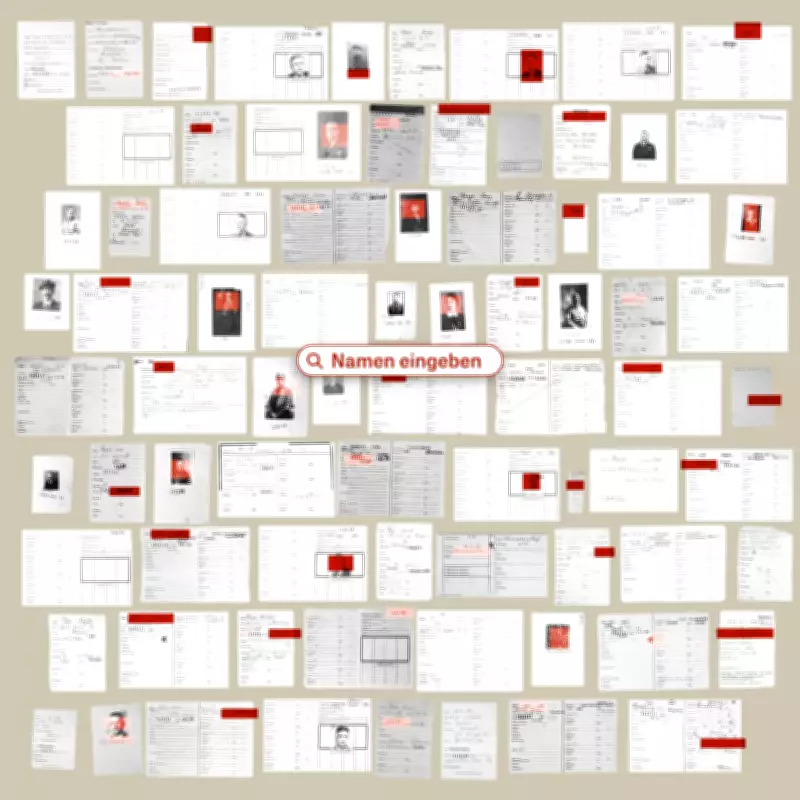
New German Search Engine Allows Users to Investigate Family Nazi Ties
A groundbreaking search tool launched in Germany is empowering citizens to delve into their family histories by checking whether relatives were associated with the Nazi regime. Developed by the publication Die Zeit, this innovative platform provides access to digitized historical archives, allowing users to search for names and uncover potential connections to Nazi activities during World War II.
How the Search Tool Works
The engine compiles data from various sources, including government records, newspaper archives, and historical databases, to create a comprehensive resource. Users can input names of ancestors or other relatives to see if they appear in documents related to Nazi organizations, such as membership lists, employment records, or legal proceedings. This tool aims to foster transparency and encourage open discussions about Germany's complex past, helping individuals confront and understand their family legacies.
Implications for Historical Awareness
By making this information more accessible, the search engine supports educational efforts and personal reflection on the impacts of the Nazi era. Experts note that such tools can aid in reconciliation and memory work, as they provide a factual basis for addressing historical guilt and responsibility. The initiative reflects a broader trend in Germany to digitize and democratize access to historical records, promoting accountability and learning from past atrocities.

This development comes amid ongoing global conversations about how societies handle dark chapters in their histories, with technology playing an increasingly vital role in uncovering and preserving truths for future generations.