Microsoft Assures Canadians AI Expansion Won't Impact Utility Bills
As technology giants face growing scrutiny over their environmental footprint, Microsoft Canada Inc. has made a significant pledge regarding its artificial intelligence infrastructure projects. The company has committed that its new AI data centers being constructed in Quebec and Ontario will not lead to increased electricity prices or affect water usage for Canadian households and businesses.
Massive Investment with Environmental Considerations
This commitment comes as part of Microsoft's substantial $19 billion investment in Canada, announced last December, aimed at expanding cloud and AI infrastructure across the country. The tech giant acknowledges that while AI infrastructure presents "enormous opportunity" for technological advancement and economic growth, Canadians have legitimate concerns about affordability, energy consumption, water usage, employment opportunities, and community impacts.
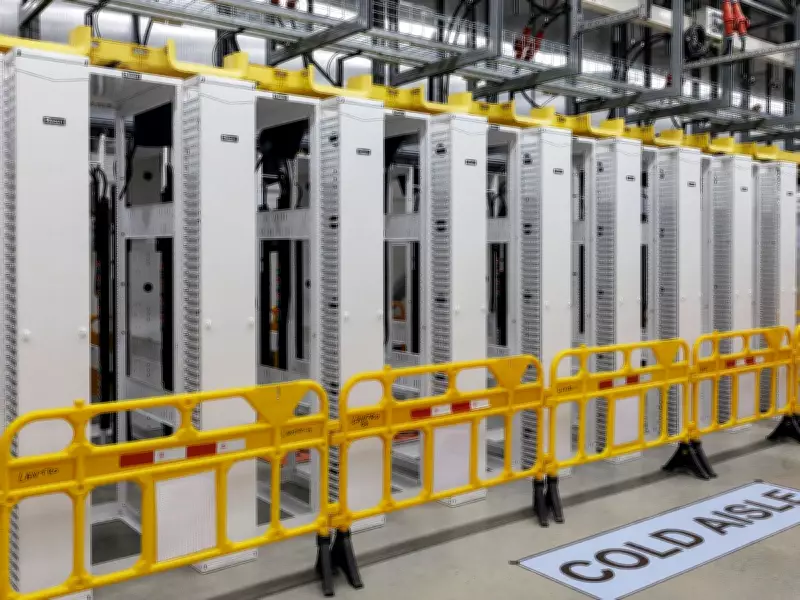
"AI is rapidly changing how organizations operate and the investment in these data centers will help unlock those benefits for Canadians," stated Microsoft Canada's president Matt Milton during a recent tour of an under-construction data center in Vaughan, Ontario. "However, investments at this scale naturally raise real questions. What does this mean for our energy rates? What about our water supply? How about the communities where we are building? We hear those questions. We welcome those questions."

The Energy Challenge of AI Infrastructure
The environmental concerns surrounding AI data centers are substantial. According to the International Energy Agency, AI data centers contain supercomputers that perform massive calculations, potentially consuming more than 100 megawatts of electricity. This staggering amount equals the annual energy consumption of approximately 100,000 households.
Furthermore, these facilities generate significant heat requiring cooling systems. An average mid-sized data center uses about 1.4 million liters of water daily for cooling purposes, according to England-based risk consultant Verisk Maplecroft. This water usage has raised concerns in communities already facing resource constraints.
Microsoft's Environmental Strategy
Microsoft has outlined a comprehensive approach to address these environmental challenges. The company has pledged to "pay its way" on electricity to ensure its data centers "do not increase costs for Canadians." Michelle Patron, Microsoft's general manager of energy and sustainability policy, emphasized that "Microsoft will ensure that our data centers do not increase electricity prices."
The company's strategy includes designing energy-efficient data centers, collaborating with provincial governments, utilities, and stakeholders to plan new power supply in advance, and supporting public policies focused on sustainable power generation. Microsoft has already begun implementing these measures in both Ontario and Quebec.
Canada's Climate Advantage
Interestingly, Microsoft points to Canada's climate as a "real advantage" for cooling its data centers. In Ontario and Quebec, the company primarily relies on outside air for cooling when temperatures fall below 29.4 degrees Celsius, only requiring water cooling for less than five percent of the year.
"We use outside air instead of water to cool when temperatures are below 29.4 degrees Celsius," explained Patron. "When temperatures rise above 29.4 degrees Celsius, water is run multiple times through the system." The company also uses a "small amount" of water to maintain appropriate humidification levels within the facilities.
Broader Context of Canada's AI Ambitions
This development occurs as Canada actively seeks to expand its AI capabilities and data center capacity. Earlier this year, the federal government issued a call for proposals to build large-scale AI data centers with planned capacities exceeding 100 megawatts. However, this expansion comes at a time when Canada's electricity systems face increasing strain due to national electrification goals and the growing adoption of electric vehicles.

Microsoft's commitment represents a significant step toward balancing technological advancement with environmental responsibility, potentially setting a precedent for how tech companies approach large-scale infrastructure projects while addressing community concerns about resource usage and utility costs.