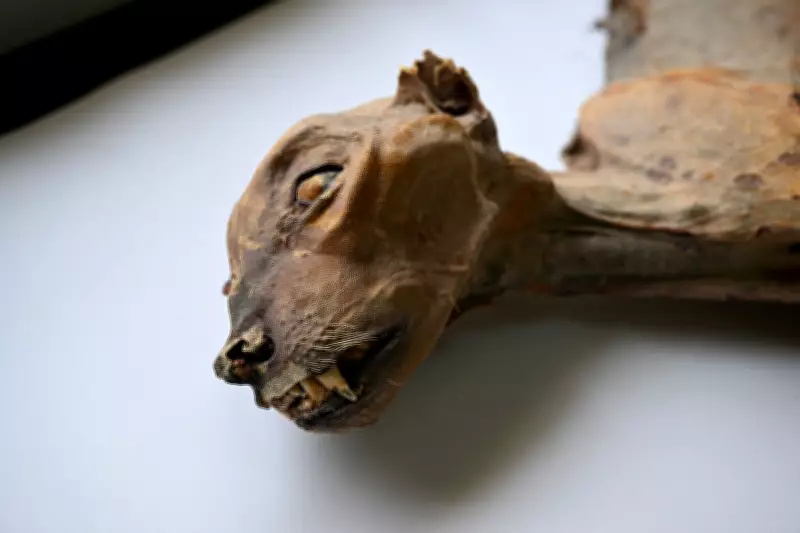
Ancient Cheetah DNA Extracted from Mummified Remains Yields Unexpected Evolutionary Discoveries
In a groundbreaking scientific achievement, researchers have successfully extracted and analyzed DNA from mummified cheetah remains, revealing surprising insights into the species' evolutionary history. The study, conducted by an international team of geneticists and wildlife experts, focused on specimens preserved in a cave environment with hyper-arid conditions that naturally mummified the animals over centuries.
Preservation Through Extreme Conditions
The remarkable preservation of these cheetah remains can be attributed to the unique cave environment where they were discovered. Researchers found that the hyper-arid conditions within the cave created an ideal setting for natural mummification, protecting the genetic material from degradation that typically occurs in more humid environments. This exceptional preservation allowed scientists to obtain high-quality DNA samples that would normally be impossible to recover from such ancient specimens.
Genetic Revelations Challenge Previous Assumptions
The DNA analysis has yielded several unexpected findings that challenge existing assumptions about cheetah evolution and population dynamics. While specific details of the discoveries remain under scientific review, preliminary results suggest genetic variations and adaptations previously undocumented in modern cheetah populations. These findings could potentially rewrite aspects of the species' evolutionary timeline and provide new understanding of how cheetahs adapted to changing environmental conditions throughout history.

Methodological Breakthroughs in Ancient DNA Extraction
This research represents significant advancements in the field of ancient DNA extraction and analysis. Scientists developed specialized techniques to carefully extract genetic material from the mummified tissues without causing contamination or degradation. The success of this methodology opens new possibilities for studying other ancient specimens that have been preserved in similar extreme environments around the world.
Implications for Conservation and Evolutionary Biology
The discoveries from this cheetah DNA study have important implications for both conservation efforts and broader evolutionary biology. By understanding the genetic history and adaptations of cheetahs, conservationists can develop more effective strategies for protecting the species in modern times. Additionally, the research contributes valuable data to the growing field of ancient genetics, helping scientists piece together the complex puzzle of how species evolve and adapt over millennia.
As researchers continue to analyze the complete genetic data from these mummified cheetah remains, they anticipate publishing more detailed findings that will further illuminate the species' remarkable evolutionary journey and the environmental factors that shaped their genetic makeup throughout history.