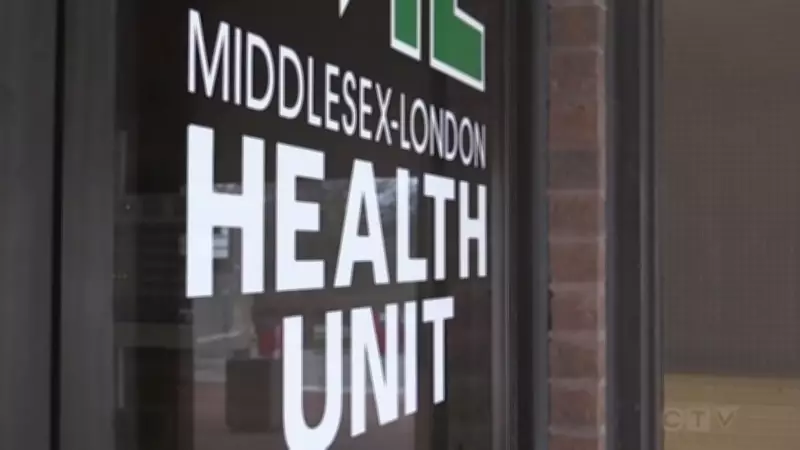
London Health Authority Targeted in Cybersecurity Incident
The Middlesex-London Health Unit (MLHU) has officially confirmed it was the target of a cybersecurity incident, raising significant concerns about data security and the protection of sensitive public health information in the region. The announcement comes amid growing awareness of digital vulnerabilities affecting critical infrastructure.
Details of the Security Breach
While specific technical details about the nature and scope of the attack remain under investigation, the MLHU has acknowledged that its systems were compromised. Health units like MLHU manage vast amounts of confidential data, including personal health records, vaccination histories, and contact tracing information, making them attractive targets for cybercriminals.
The incident highlights the escalating threat landscape facing public sector organizations, particularly those in healthcare, which are often tasked with safeguarding highly sensitive citizen data with limited cybersecurity resources.

Response and Investigation Underway
In response to the breach, the MLHU has initiated a comprehensive investigation in collaboration with cybersecurity experts and relevant authorities. Standard protocols for such incidents have been activated, which likely include system isolation, forensic analysis, and efforts to contain any potential data exfiltration.
The health unit has assured the public that it is taking all necessary steps to address the vulnerability and reinforce its digital defenses. However, the event underscores the persistent challenges public health agencies face in an era of sophisticated cyber threats.
Broader Implications for Public Trust
This cybersecurity incident at the MLHU occurs within a context of increasing digitalization of health services. Such breaches can erode public trust, as residents rely on these institutions to protect their private information. The MLHU's transparency in confirming the attack is a critical first step in managing the situation, but it also prompts questions about preventative measures and long-term security investments.
Other recent headlines, such as recalls of power banks for fire hazards and frozen blueberries for listeria contamination, remind us that public safety concerns span both physical and digital realms. The convergence of health, technology, and security is becoming a focal point for policy and operational review.
As the investigation progresses, the MLHU will need to communicate findings clearly to mitigate concerns and demonstrate a commitment to robust data protection standards. This incident serves as a stark reminder of the importance of cybersecurity vigilance for all organizations handling sensitive public data.