‘I Was Embarrassed’: Ottawa Woman’s Cautionary Tale About E-Transfer Fraud
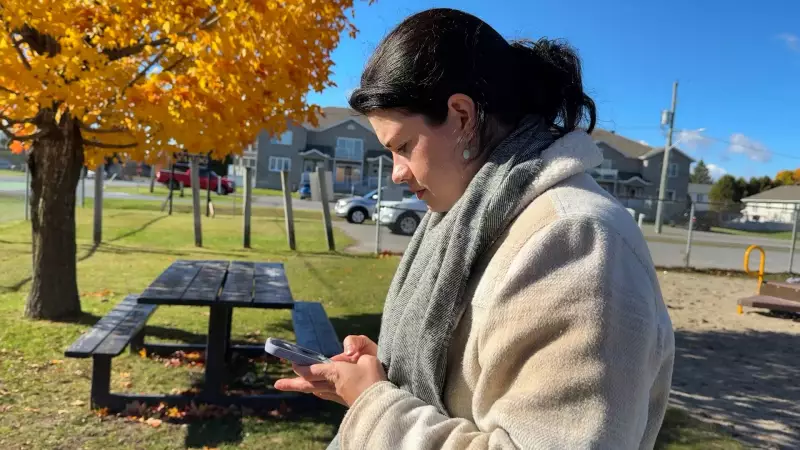
An Ottawa resident is bravely sharing her story after becoming the latest victim of a sophisticated e-transfer scam, hoping to prevent others from experiencing the same financial and emotional distress. Kimberley Bray fell prey to the fraud, which she says highlights just how easily scammers can gain access to your personal information and bank account.
How the Scam Unfolded
While specific details of the transaction were not fully disclosed, Bray's experience serves as a stark reminder of the convincing tactics employed by modern cybercriminals. These scams often involve fraudulent emails, text messages, or phone calls that appear to be from legitimate sources, tricking individuals into revealing sensitive financial data or authorizing transactions under false pretenses.
The incident, which was reported on November 18, 2025, left Bray feeling violated and embarrassed, emotions commonly reported by scam victims. Her decision to speak out underscores the importance of community awareness in the fight against digital fraud.

A Growing Threat for Canadians
E-transfer fraud is a persistent and evolving threat across Canada. Criminals continuously refine their methods to appear more authentic, exploiting the trust people place in Interac e-Transfers, a popular and generally secure payment method. The financial loss can be immediate and devastating, and the process of recovering stolen funds is often complex and unsuccessful.
Bray’s story is a powerful call to action for all Canadians to be hyper-vigilant. Experts recommend never clicking on suspicious links in emails or texts, verifying the identity of anyone requesting money, and using strong, unique passwords for online banking. Enabling two-factor authentication on financial accounts adds another critical layer of security.
By sharing her painful experience, Kimberley Bray transforms her personal embarrassment into a public service, empowering others with the knowledge to protect themselves.