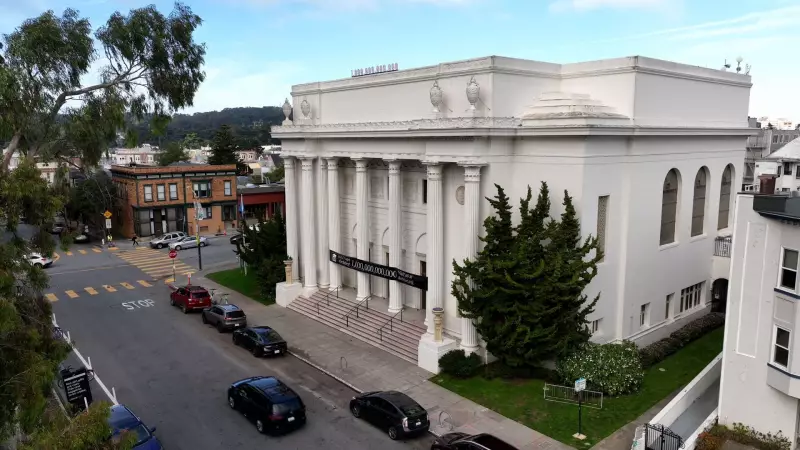
The hum of servers has replaced hymns at an old Christian Scientist Church in San Francisco, where the Internet Archive now preserves an astonishing collection of digital history. This unique headquarters safeguards approximately one trillion webpages, creating what many call the "digital Library of Alexandria."
From Sacred Space to Digital Sanctuary
The transformation of this religious building into a technological marvel represents a fascinating blend of historical preservation and digital innovation. The church's architecture, once designed to elevate human spirits, now houses the physical infrastructure protecting humanity's digital footprint. The organization chose this location for its character and spacious interior, which accommodates the extensive server infrastructure required for such an ambitious preservation project.
Founded in 1996, the Internet Archive has grown from a simple digital library to an essential resource for researchers, historians, and the general public. The Wayback Machine, its most famous tool, allows users to view archived versions of websites across different time periods, creating a comprehensive timeline of the internet's evolution.

The Scale of Digital Preservation
The archive's collection of one trillion webpages represents only part of its massive digital repository. The organization also preserves millions of books, audio recordings, videos, and software programs, creating a comprehensive cultural record that might otherwise disappear as websites change or go offline permanently.
This preservation work has become increasingly crucial as more of human knowledge and cultural production moves exclusively online. The Internet Archive serves as an insurance policy against digital decay, ensuring that future generations can access today's internet culture, news, and information.
Challenges and Future of Web Preservation
Maintaining such an extensive archive presents significant technical and financial challenges. The organization must continuously adapt to new web technologies and increasing data volumes while ensuring the long-term accessibility of preserved content. Legal considerations around copyright and digital access rights also complicate their mission.
Despite these challenges, the Internet Archive continues to expand its preservation efforts. The organization recently announced plans to enhance its collection capabilities and improve public access to its growing digital repository. Their work ensures that the ephemeral nature of the internet doesn't erase important cultural and historical records.
The converted church stands as a physical reminder that while digital content may seem intangible, preserving it requires real infrastructure and dedicated effort. As the internet continues to evolve, this unique sanctuary in San Francisco remains committed to saving our digital heritage for future generations.