Canadian Firm Pioneers Humanoid Robotics for Industrial Applications
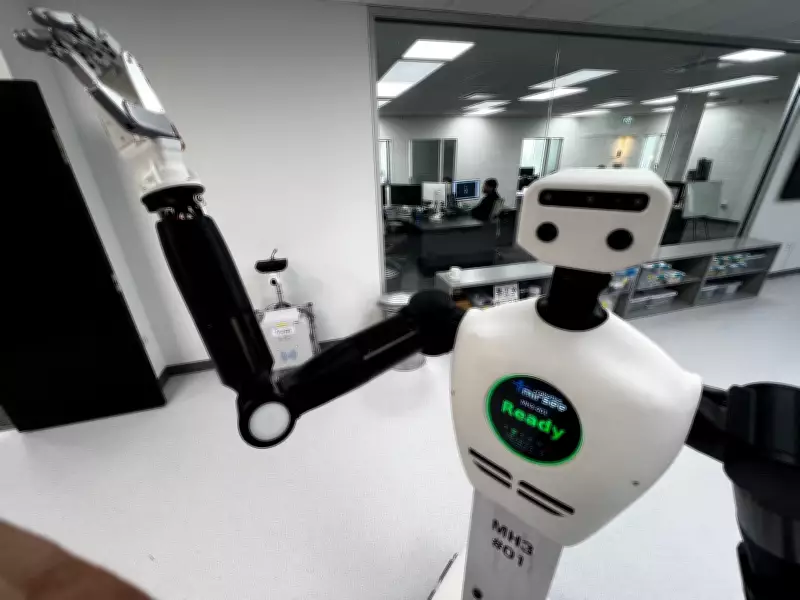
A Canadian technology company is positioning itself at the forefront of the next industrial revolution by developing advanced humanoid robots designed for warehouse and factory environments. The MH3 humanoid robot, a key product in this initiative, aims to transform labor-intensive tasks through automation, reflecting a broader global trend toward robotic workforce integration.
Targeting Warehouses and Factories
The MH3 robot is specifically engineered for use in industrial settings, where it can perform repetitive or hazardous tasks that are typically handled by human workers. This development comes as industries worldwide seek to enhance efficiency, reduce costs, and address labor shortages. The company's focus on humanoid design allows for greater versatility in navigating existing infrastructure without requiring extensive modifications.
Experts suggest that this shift could lead to "more robots than cars" in certain industrial sectors, highlighting the scale of potential adoption. As automation technologies advance, the economic implications are significant, potentially reshaping job markets and productivity metrics across Canada and beyond.

Broader Implications for the Economy
The push into humanoid robotics aligns with increasing investments in artificial intelligence and automation globally. In Canada, this move could bolster the nation's competitiveness in high-tech manufacturing, while also raising questions about workforce retraining and ethical considerations in automation.
Industry analysts note that successful implementation could reduce operational costs and improve safety in hazardous environments, but it may also necessitate new policies to manage the transition for displaced workers. The company's efforts are part of a larger narrative where technology firms are racing to deploy AI-powered solutions in real-world applications.
As this Canadian firm gears up for production and deployment, it represents a tangible step toward a future where humanoid robots become commonplace in industrial landscapes, driving what many are calling the next industrial revolution.