A significant crew change is imminent aboard the International Space Station (ISS), as four astronauts prepare to depart, leaving a skeleton crew of just three to manage the orbiting laboratory. This shift marks a notable reduction in the station's usual complement of personnel.
Expedition 74 Crew Prepares for Departure
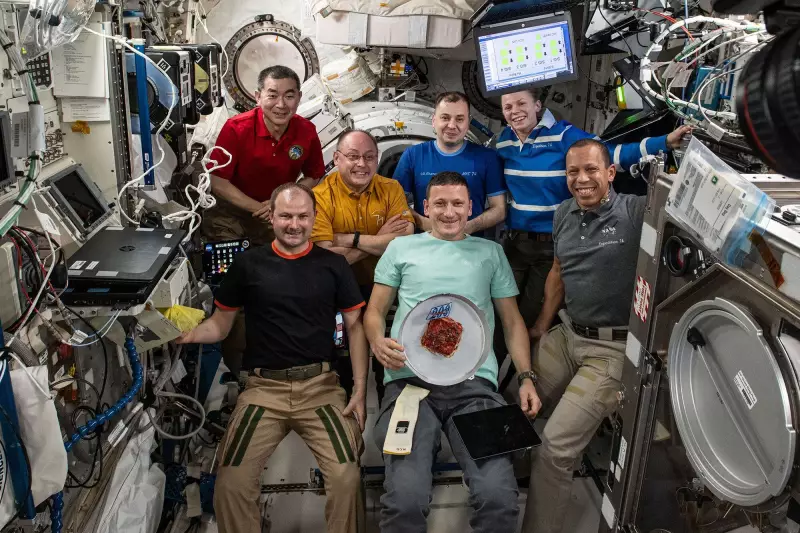
The change involves members of the seven-strong Expedition 74 crew, who were photographed together in the station's Kibo laboratory module in December. The crew portrait featured a diverse international team. In the front row were Roscosmos cosmonauts Sergei Mikaev and Sergey Kud-Sverchkov, alongside NASA astronaut Chris Williams. The back row included JAXA astronaut Kimiya Yui, NASA astronaut Mike Fincke, Roscosmos cosmonaut Oleg Platonov, and NASA astronaut Zena Cardman.
The departure of four of these crew members, scheduled for January 14, 2026, will drastically cut the onboard team. This reduced staffing level will place greater responsibility on the remaining trio to maintain the station's critical systems and continue scientific research.

Managing the Orbiting Lab with a Minimal Crew
Operating the ISS with only three crewmates presents unique challenges. The remaining astronauts will be tasked with overseeing all essential station operations, from life support and maintenance to conducting ongoing experiments. This period of minimal staffing is a standard part of the crew rotation cycle but requires meticulous planning and coordination by space agencies on the ground.
The identities of the specific four astronauts departing and the three who will stay behind to staff the lab were detailed in the original report. Such rotations are carefully timed with the arrivals and departures of crew spacecraft, such as SpaceX's Crew Dragon or Russia's Soyuz, to ensure a continuous human presence in space.
Implications for International Space Cooperation
This crew transition underscores the ongoing international cooperation that sustains the ISS. The Expedition 74 team itself represented a collaboration between NASA (United States), Roscosmos (Russia), and JAXA (Japan). Maintaining the station's operations with a smaller team highlights the resilience and interdependence of the global partnership that has kept the ISS operational for decades.
While the crew size will be temporarily diminished, mission control centers in Houston, Moscow, and other partner locations will provide constant support to the astronauts remaining on board. The departure and subsequent handover procedures are critical to ensuring a safe and seamless transition before the arrival of the next crew rotation.