The Government of British Columbia has announced the termination of its three-year drug decriminalization pilot project in Vancouver. The initiative, which began in 2023, was a closely watched experiment in public health policy aimed at addressing the overdose crisis.
Project Conclusion and Official Announcement
The pilot project officially ended on January 14, 2026. The decision was confirmed by provincial officials, marking a significant shift in the region's approach to substance use. The project had allowed for the possession of small amounts of certain illicit drugs for personal use within the city of Vancouver.
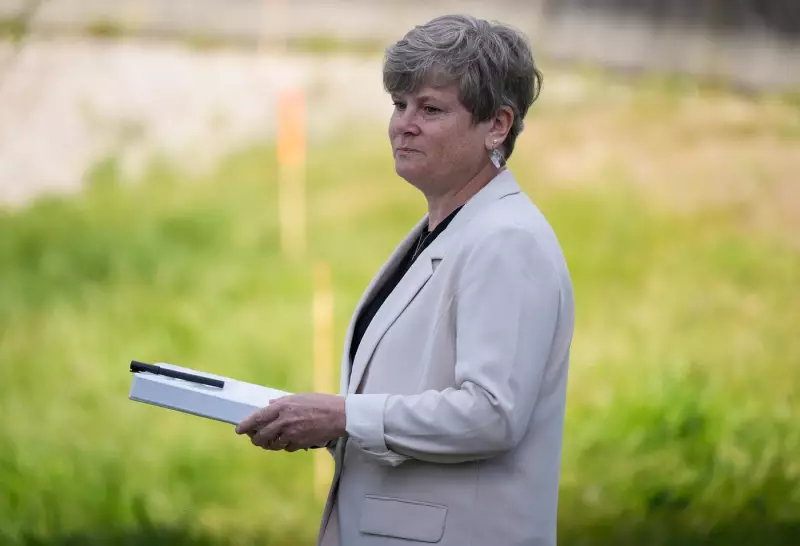
B.C. Minister of Health, Josie Osborne, was the leading provincial figure associated with the policy. The announcement concludes a program that was launched as an emergency response to a devastating public health crisis.

Context and National Significance
The pilot was a first of its kind in Canada, granting a federal exemption to the Controlled Drugs and Substances Act for the city. It was designed to reduce the stigma associated with drug use and encourage people to seek help without fear of criminal prosecution.
Its conclusion comes after years of debate over its effectiveness and impact on public safety. Proponents argued it was a necessary harm-reduction tool, while critics voiced concerns about public drug use and community safety.
Looking Forward: Implications and Next Steps
The end of the pilot project leaves questions about the future of drug policy in British Columbia. The province continues to grapple with a high number of toxic drug poisoning deaths.
Public health officials and community organizations will now assess the data collected over the three-year period. The findings are expected to inform future provincial and federal policy decisions on substance use and addiction treatment. The move signals a potential reevaluation of strategies to combat the ongoing overdose epidemic.