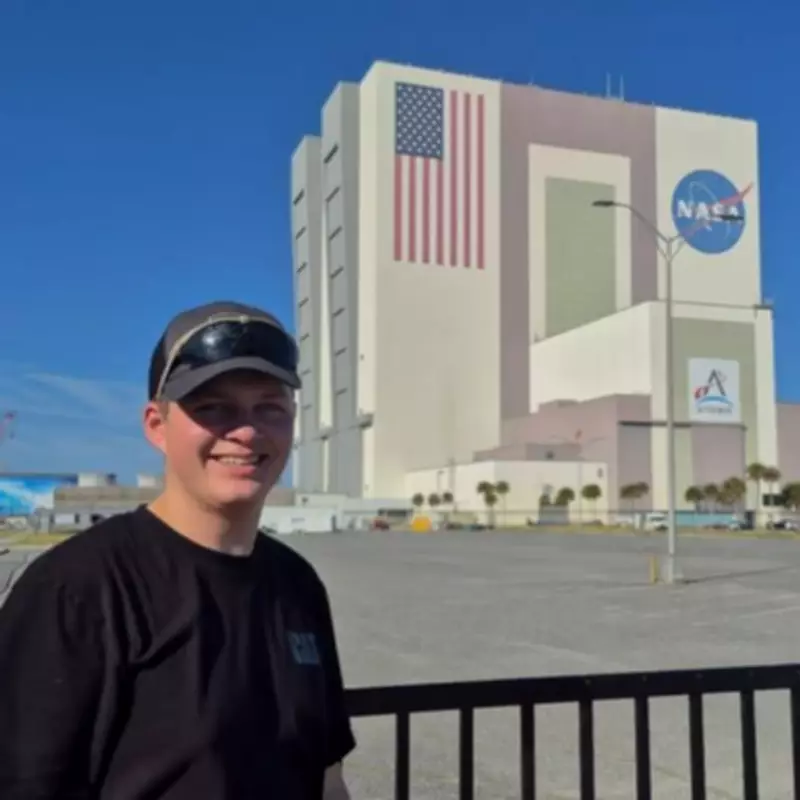
Cochrane Teen Selected for Prestigious International Mars Simulation Program in Texas
Thomas Toombes, a resident of Cochrane, Alberta, has been chosen to participate in an exclusive international space school program in Houston, Texas. This immersive two-week experience will bring together teenagers from more than twenty different countries for an intensive simulation focused on Mars exploration and space science.
An Elite International Opportunity
The program represents a significant achievement for the young Albertan, who will join a select group of students from across the globe. The space school is designed to provide hands-on experience with space mission simulations, scientific research methodologies, and collaborative problem-solving in an environment that mimics actual space exploration challenges.
This opportunity comes at a time when space exploration is experiencing renewed global interest, particularly with missions targeting Mars and beyond. Educational programs like this one aim to inspire the next generation of scientists, engineers, and astronauts who will lead future space initiatives.

Building Skills for Future Space Exploration
During the two-week program, participants will engage in various activities including:
- Simulated Mars mission scenarios requiring teamwork and technical expertise
- Scientific experiments related to space environments and planetary conditions
- Engineering challenges involving robotics, habitat design, and life support systems
- Presentations from space industry professionals and researchers
The selection process for this program is highly competitive, with applicants evaluated on their academic achievements, scientific curiosity, and demonstrated interest in space exploration. Toombes' acceptance reflects his dedication to STEM fields and his potential to contribute to future space endeavors.
Local Pride and Educational Impact
The Cochrane community has expressed pride in Toombes' accomplishment, recognizing it as an example of Alberta youth excelling in scientific pursuits. Such programs not only benefit individual participants but also help raise awareness about space science education and career opportunities in related fields.
As space agencies worldwide continue to plan for crewed missions to Mars and establish permanent lunar bases, educational initiatives that prepare young minds for these challenges become increasingly valuable. The international nature of the Houston program also fosters cross-cultural collaboration, mirroring the global cooperation that characterizes modern space exploration efforts.
Toombes' participation in this program represents both a personal achievement and a testament to the growing opportunities for Canadian youth in space-related education and careers. His experience in Texas may well inspire other young Canadians to pursue their interests in science, technology, engineering, and mathematics with an eye toward the final frontier.