Artemis II Crew Navigates Uncomfortable Realities of Space Travel
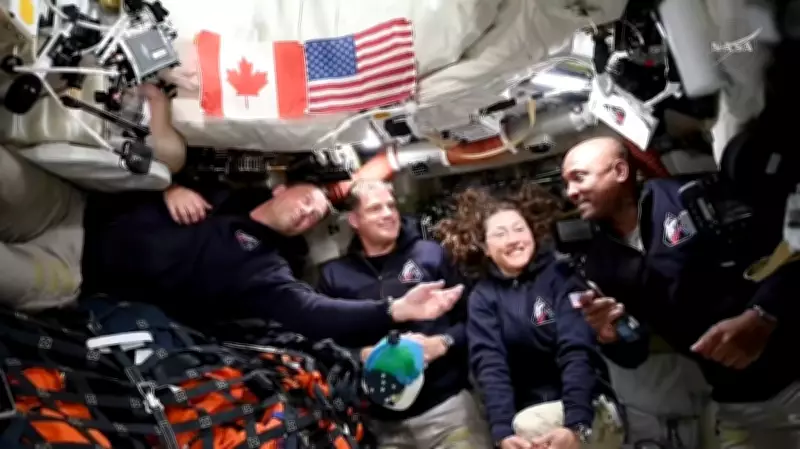
The historic Artemis II mission, which includes Canadian astronaut Jeremy Hansen, is pushing human exploration toward the Moon, but the crew is facing some decidedly down-to-earth challenges inside the Orion space capsule. From a malfunctioning toilet to the complete absence of showers and the unavoidable issue of flatulence, daily life aboard the spacecraft is a test of endurance and teamwork.
A Broken Toilet and Hygiene Hardships
One of the most pressing issues reported is a broken toilet system, forcing the astronauts to rely on backup methods for waste management. This malfunction adds significant stress to an already demanding environment. Compounding this, the Orion capsule lacks shower facilities, meaning the crew must use sponge baths and specialized wipes to maintain personal hygiene over the course of their multi-day journey.
The Inevitable Issue of Flatulence
In the confined, microgravity environment of the capsule, bodily functions like flatulence become more than just a minor inconvenience. The crew has openly discussed how digestive gases accumulate, leading to questions about odor control and air quality. This natural byproduct of space food digestion is managed through the capsule's life support systems, but it remains a persistent aspect of their daily reality.

Teamwork and Adaptation in Confined Quarters
Despite these hardships, the Artemis II astronauts emphasize their camaraderie and shared purpose. Astronaut Victor Glover recently shared an Easter message highlighting the peace found in their collective mission. The crew's ability to adapt—whether dealing with technical failures or personal discomfort—showcases the resilience required for deep-space travel.
Historical Context and Mission Significance
Artemis II has already broken the distance record set by Apollo 13, marking a new milestone in human spaceflight. The mission includes a critical 40-minute communications blackout as the capsule rounds the Moon, a period of heightened anticipation. These operational challenges, alongside the daily struggles, underscore the complexity of returning humans to lunar proximity after decades.
As NASA and its international partners, including the Canadian Space Agency, prepare for future Artemis missions, the experiences of the Artemis II crew will inform improvements in spacecraft design and crew support systems. Their journey is not only a technological triumph but a human story of perseverance in the face of uncomfortable, yet unavoidable, realities of life in space.