Canadians Face Extended Wait for Next Total Solar Eclipse
Astronomy enthusiasts across Canada will need to exercise considerable patience following the partial solar eclipse visible in February 2026. The next opportunity to witness a total solar eclipse from within the country's borders will not occur until 2038, creating a gap of more than twelve years between these rare celestial events.
The 2026 Partial Eclipse: A Brief Preview
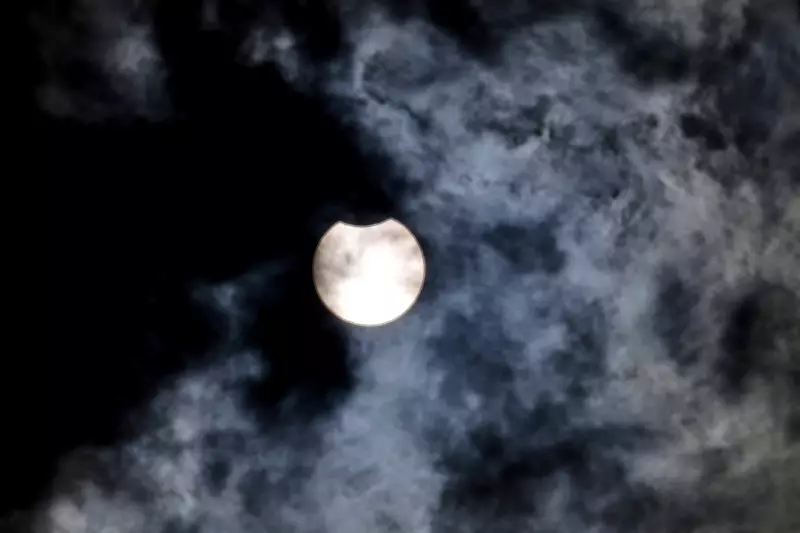
On February 17, 2026, observers across parts of Canada will be treated to a partial solar eclipse. During this event, the moon will pass between Earth and the sun, obscuring a portion of the sun's disk. While not the complete darkness of a total eclipse, this phenomenon still offers a remarkable astronomical spectacle for those with proper viewing equipment.
Safety remains paramount when observing any solar eclipse. Experts emphasize that viewers must use certified solar filters or indirect viewing methods to protect their eyes from permanent damage. The 2026 event serves as an important reminder of both the beauty and potential hazards of solar observation.

Why the Extended Wait Between Eclipses?
The lengthy interval between total solar eclipses in Canada stems from the complex orbital mechanics governing these celestial alignments. Solar eclipses occur when the moon passes directly between Earth and the sun, casting its shadow on our planet's surface. However, the moon's orbit is tilted relative to Earth's orbit around the sun, meaning these perfect alignments happen only occasionally at any given location.
"The path of totality—where observers experience complete darkness—is remarkably narrow," explains Dr. Elena Martinez, an astrophysicist at the University of Toronto. "For a total eclipse to be visible from a specific location like Canada, multiple orbital factors must align perfectly. This explains why some regions might wait decades between total eclipses."
Planning for Future Celestial Events
While Canadians face a prolonged wait for the next domestic total eclipse, international opportunities exist in the intervening years. Between 2026 and 2038, astronomy enthusiasts can travel to several countries that will experience total solar eclipses, including:
- Spain and northern Africa in 2027
- Australia and New Zealand in 2028
- South America in 2030
- Central Africa in 2031
These international events provide alternatives for those unwilling to wait until 2038 for another chance to witness daytime darkness. However, they require significant travel planning and resources that may not be accessible to all Canadians.
The 2038 Eclipse: What to Expect
When the next total solar eclipse finally arrives in Canada in 2038, it will follow a path across the country's eastern regions. Preliminary projections suggest the path of totality will traverse parts of Ontario, Quebec, and the Atlantic provinces, potentially offering millions of Canadians the opportunity to experience this rare phenomenon without extensive travel.
This extended waiting period between total solar eclipses highlights the importance of appreciating each celestial event as it occurs. The 2026 partial eclipse, while not as dramatic as a total eclipse, still represents a significant astronomical occurrence worth observing safely with proper preparation.
As Canadians mark their calendars for the distant 2038 eclipse, astronomers encourage continued interest in celestial events of all types, from meteor showers to planetary alignments, which occur more frequently and help maintain public engagement with the wonders of our solar system.