As November's chill settles across Nova Scotia, the province's night sky transforms into a breathtaking celestial theater. The combination of colder air and predominantly clear conditions creates ideal viewing opportunities for astronomy enthusiasts and casual observers alike.
Prime Viewing Conditions
The month of November offers particularly favorable conditions for sky watching throughout Nova Scotia. Crisp, cold air typically brings enhanced atmospheric clarity, making distant stars and planets appear brighter and more defined. With longer nights setting in, observers have extended opportunities to explore the cosmos after sunset.
Meteorological patterns during this period often result in reduced cloud cover across the Maritimes. This atmospheric clearing, combined with the region's relatively low light pollution outside urban centers, creates near-perfect circumstances for identifying constellations and tracking celestial movements.

Celestial Highlights to Watch
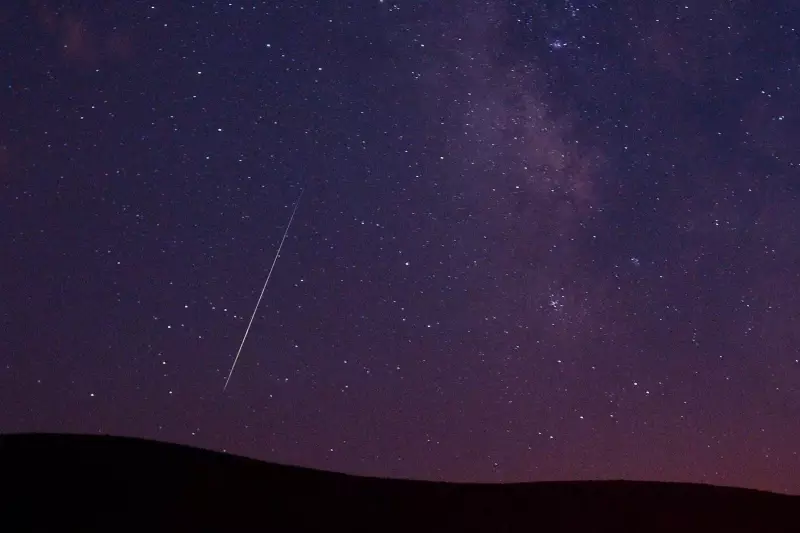
November's night sky presents several noteworthy astronomical events. While the spectacular Perseid meteor shower occurs in August, November hosts other meteor activity worth monitoring. Stargazers might spot occasional shooting stars as Earth passes through smaller streams of cosmic debris.
The planetary alignment this month provides excellent viewing opportunities. Bright planets like Venus and Jupiter often dominate the evening and morning skies, serving as brilliant landmarks for navigation. Through binoculars or small telescopes, observers can discern Jupiter's Galilean moons and Saturn's distinctive rings.
Practical Viewing Tips
For optimal night sky observation in Nova Scotia during November, experts recommend several strategies. Seek locations away from city lights, such as provincial parks or coastal areas with unobstructed horizons. Allow your eyes at least 20 minutes to adjust to darkness for maximum sensitivity.
Dress warmly in layers, as stationary observation during cold nights can quickly become uncomfortable. Consider using a red-filtered flashlight to preserve night vision while consulting star charts. Mobile astronomy apps can enhance the experience by helping identify constellations and planets in real-time.
November's celestial calendar typically includes the Leonid meteor shower, which peaks around mid-month. While not always as dramatic as the Perseids, the Leonids can produce occasional bright fireballs worth watching for during overnight viewing sessions.