Canadian Astronaut Jeremy Hansen, with Saskatchewan Roots, Poised for Historic Artemis II Moon Journey
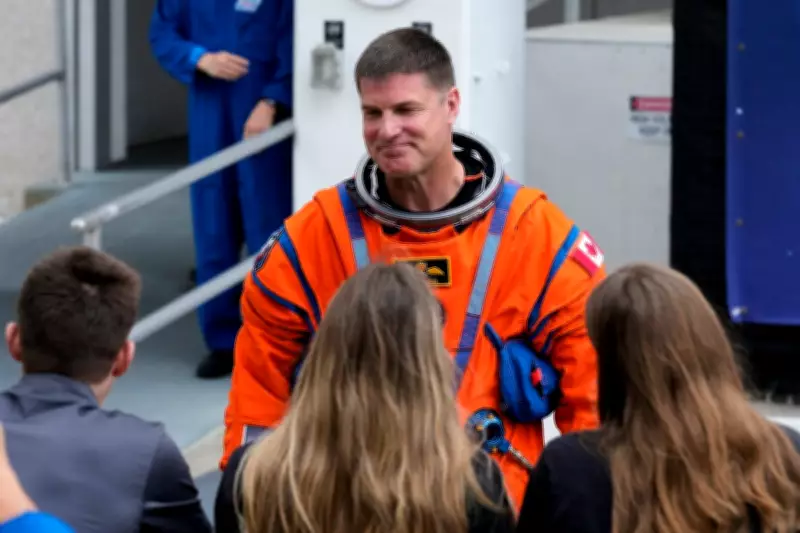
In a landmark achievement for Canada's space program, astronaut Jeremy Hansen, who honed his skills at 15 Wing Moose Jaw in Saskatchewan, is preparing to make history as the first Canadian to travel to the moon. Selected for NASA's Artemis II mission, Hansen's journey underscores the significant contributions of Saskatchewan to aerospace training and national pride.
From Moose Jaw to the Moon: Hansen's Training and Ties to Saskatchewan
Jeremy Hansen's path to the stars began with rigorous training at 15 Wing Moose Jaw, a key Royal Canadian Air Force base known for its pilot instruction programs. This connection to Saskatchewan highlights the province's role in fostering talent for high-stakes missions. Hansen's selection for Artemis II, which aims to orbit the moon and test systems for future lunar landings, marks a pivotal moment in Canadian space exploration, showcasing the nation's growing involvement in international space efforts.
The Artemis II mission, scheduled for launch in the coming years, represents a collaborative endeavor between NASA and the Canadian Space Agency. Hansen will join an international crew, focusing on scientific experiments and technology demonstrations that could pave the way for sustained human presence on the moon. His background in military aviation, developed in Saskatchewan, provides a strong foundation for the challenges of space travel, including navigation and emergency procedures.

Implications for Canada and Global Space Exploration
This milestone not only celebrates Hansen's personal achievement but also elevates Canada's profile in the global space community. As the first Canadian to venture to the moon, Hansen's mission is expected to inspire future generations of scientists, engineers, and astronauts across the country, particularly in regions like Saskatchewan with strong aerospace ties. The Artemis program aims to establish a sustainable lunar base, with Hansen's participation signaling Canada's commitment to advancing space science and technology.
Experts note that Hansen's training in Saskatchewan, which includes experience in high-performance aircraft and simulated space environments, has equipped him with critical skills for the mission. The Artemis II crew will conduct extensive tests on life support systems and communication technologies, essential for longer-duration spaceflights. This mission builds on decades of Canadian contributions to space exploration, such as the Canadarm robotic systems used on the International Space Station.
In summary, Jeremy Hansen's upcoming journey to the moon as part of Artemis II highlights the enduring impact of Saskatchewan's training facilities and Canada's evolving role in space. As preparations continue, the nation watches with anticipation, ready to witness a historic step in lunar exploration.