As we turn the page to 2026, astronomers and skywatchers across Canada are looking up with anticipation. The new year promises a stunning array of celestial events, from dramatic eclipses and brilliant supermoons to reliable meteor showers and bright planetary alignments.
A Year of Eclipses and Supermoons
The headline events for 2026 will undoubtedly be its eclipses. Skywatchers should mark their calendars for two major solar eclipses and two lunar eclipses. The precise dates and visibility paths are key for planning viewing parties or travel to the path of totality for solar events.
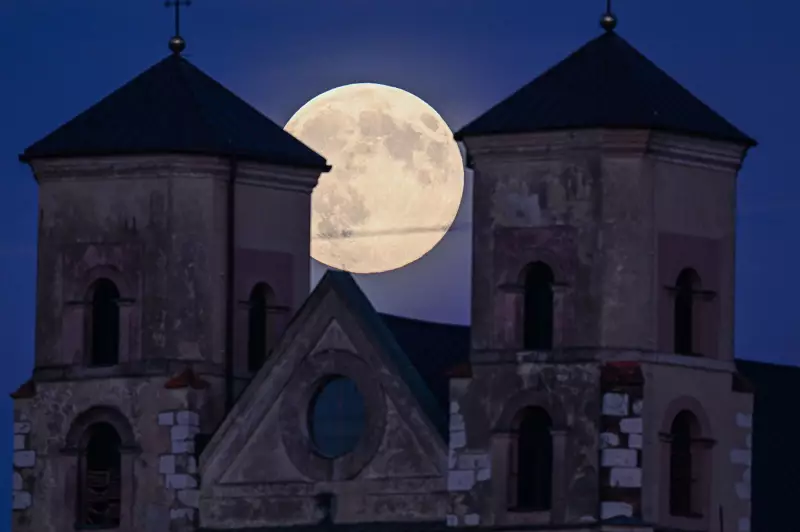
Adding to the spectacle, 2026 will also feature several supermoons. These occur when a full moon coincides with the moon's closest approach to Earth in its orbit, making it appear larger and brighter in the night sky. The visual impact, like the supermoon observed behind the Benedictine Abbey in Kraków, Poland, in November 2025, is always a public favourite.

Meteor Showers and Planetary Spotting Guides
Beyond the moon-centric events, the annual parade of meteor showers will return with dependable regularity. Observers can look forward to the Perseids in August and the Geminids in December, among others, which offer some of the most reliable displays of shooting stars, provided you have dark, clear skies.
Planetary observers will also have plenty to see. The year will offer excellent opportunities to spot bright planets like Venus, Jupiter, Mars, and Saturn at various times. Knowing when these planets are at opposition (directly opposite the sun from Earth) or in close conjunctions with the moon or each other will provide some of the most picturesque moments for both naked-eye viewing and astrophotography.
Planning Your Skywatching Year
To make the most of 2026's celestial calendar, preparation is key. For meteor showers, find a location far from city lights and allow your eyes at least 20 minutes to adjust to the dark. For eclipses, safety is paramount—never look directly at the sun without certified solar viewing glasses during a partial or annular solar eclipse.
Many local astronomy clubs and planetariums across Canada will host public viewing events for the major occurrences. Checking their schedules closer to each event date is a great way to share the experience with fellow enthusiasts and learn from experts.
With this cosmic lineup, 2026 is shaping up to be a remarkable year for anyone fascinated by the wonders of the night sky. From the quiet beauty of a meteor streak to the awe-inspiring drama of a total eclipse, these events remind us of our place in a vast and dynamic universe.