The United Nations has adopted the first global regulations for self-driving cars, marking a historic step toward standardizing safety and performance requirements for autonomous vehicles worldwide. The new rules, approved by the UN's World Forum for Harmonization of Vehicle Regulations, aim to ensure that self-driving cars meet consistent safety benchmarks before they can be deployed on public roads.
Key provisions of the new regulations
The regulations cover a range of requirements, including automated driving systems' ability to detect and respond to traffic signals, pedestrians, and other vehicles. They also mandate that autonomous vehicles must have a mechanism for the driver to take control if necessary. The rules apply to vehicles with Level 3 and Level 4 automation, where the car can handle most driving tasks but may require human intervention in certain situations.
According to the UN Economic Commission for Europe, which oversees the forum, the regulations were developed with input from 60 countries, including major automotive markets such as Japan, South Korea, and European Union member states. The United States, however, has not yet adopted the rules, as it follows its own federal guidelines.

Impact on the automotive industry
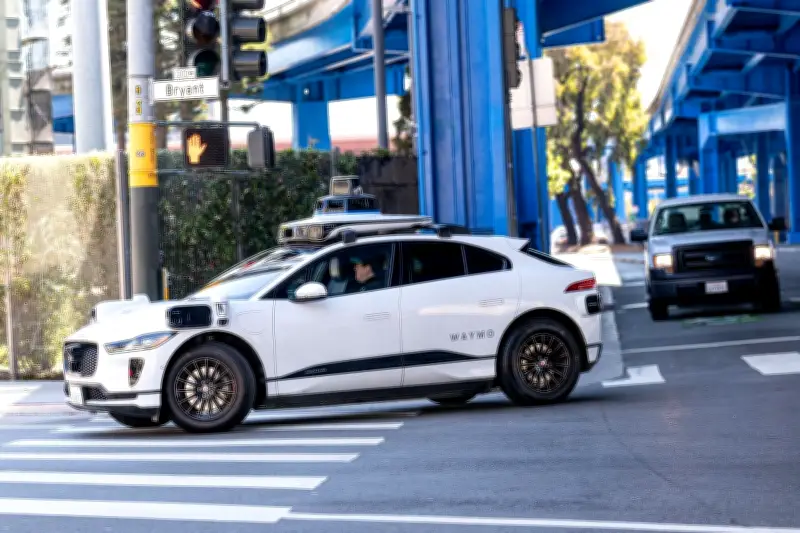
The adoption of these rules is expected to accelerate the development and deployment of self-driving cars by providing a clear regulatory framework. Automakers and technology companies, such as Waymo and Tesla, have been pushing for uniform standards to avoid a patchwork of national laws. The regulations are also seen as a boost for consumer confidence, as they address safety concerns that have hindered public acceptance of autonomous vehicles.
"These regulations are a major milestone for the future of mobility," said a spokesperson for the UNECE. "They will help ensure that self-driving cars are safe, reliable, and compatible across borders."
Next steps and challenges
While the UN regulations are a significant step, implementation will vary by country. Nations that have adopted the rules must now incorporate them into their national laws. The UNECE estimates that it could take several years for full adoption globally. Meanwhile, the technology continues to evolve, with companies testing autonomous vehicles in cities like San Francisco and Tokyo. The new rules will be updated periodically to keep pace with advancements.
Critics argue that the regulations do not go far enough in addressing cybersecurity or ethical dilemmas, such as how a self-driving car should prioritize lives in an accident. The UNECE has acknowledged these concerns and plans to address them in future amendments.